10 Things You Need to Do When Purchasing a Home with a Well


Purchasing a home in the Denver Metro and Colorado Front Range regions often means enjoying the advantages of private well water—independence, natural resource conservation, and potentially lower utility costs. However, buying a home with well water also comes with unique responsibilities and considerations. Ensuring your well water system is safe, reliable, and up to code is crucial for your family’s health and comfort.
Below, we outline the ten essential steps every homebuyer should follow when considering a property with a private well.
1. Review Well Records and Permits
The first step is to request the well’s history and records from the seller. This includes details on well construction, depth, yield, and maintenance. In Colorado, a well permit is typically required. Confirm that all documentation is in order and compliant with local regulations.
2. Schedule a Well Inspection
A comprehensive well inspection by a certified water well professional is vital. Inspectors check the well’s structural condition, mechanical components, and electrical systems to verify everything is in proper working order.
3. Conduct Water Quality Testing
Testing water quality is critical when buying a home with well water. Have the water professionally tested for bacteria, nitrates, heavy metals, and other potential contaminants. Annual water testing is also recommended to maintain ongoing water safety.
4. Assess Well Water Quantity
A well’s ability to deliver enough water consistently is as important as water quality. Request a flow or yield test to ensure the well meets your household demands, especially if you plan to irrigate gardens or support livestock.
5. Evaluate the Water Filtration and Treatment Systems
Check whether the home includes water filtration or treatment systems, including softeners or UV purification equipment. Review maintenance records and ensure existing systems are functioning properly and suited to address any local water issues.
6. Understand Well Location and Setbacks
Regulations require minimum distances between wells, septic systems, and other potential sources of contamination. Verify that the well is properly sited according to Colorado standards to protect your water supply from surface or groundwater pollutants.
7. Inspect the Well Pump and Equipment
A well’s pump and associated equipment are crucial for reliable water delivery. During an inspection, verify the age, condition, and efficiency of the pump, pressure tank, and control systems. Assess whether upgrades may be needed in the future.
8. Check Water Storage Solutions
Some Colorado homes utilize water storage tanks to manage peak demand or handle variable well output. Inspect any storage systems for leaks, capacity, and sanitary conditions to ensure dependable supply and safety.
9. Review System Maintenance History
Regular maintenance is crucial for any well system. Request detailed service records for past inspections, repairs, treatments, or upgrades. A consistently maintained well system provides added peace of mind.
10. Familiarize Yourself With Local Regulations
Each county and municipality may have specific regulations regarding private wells in the Denver Metro and Front Range areas. Stay informed about water rights, permitting requirements, and well abandonment procedures to avoid surprises down the line.
Buying a home with well water offers many benefits, but also places ownership of a significant resource in your hands. By following these ten steps, you can ensure your well water system is safe, reliable, and ready for many years of healthy living in Colorado’s beautiful mountain and metropolitan communities.
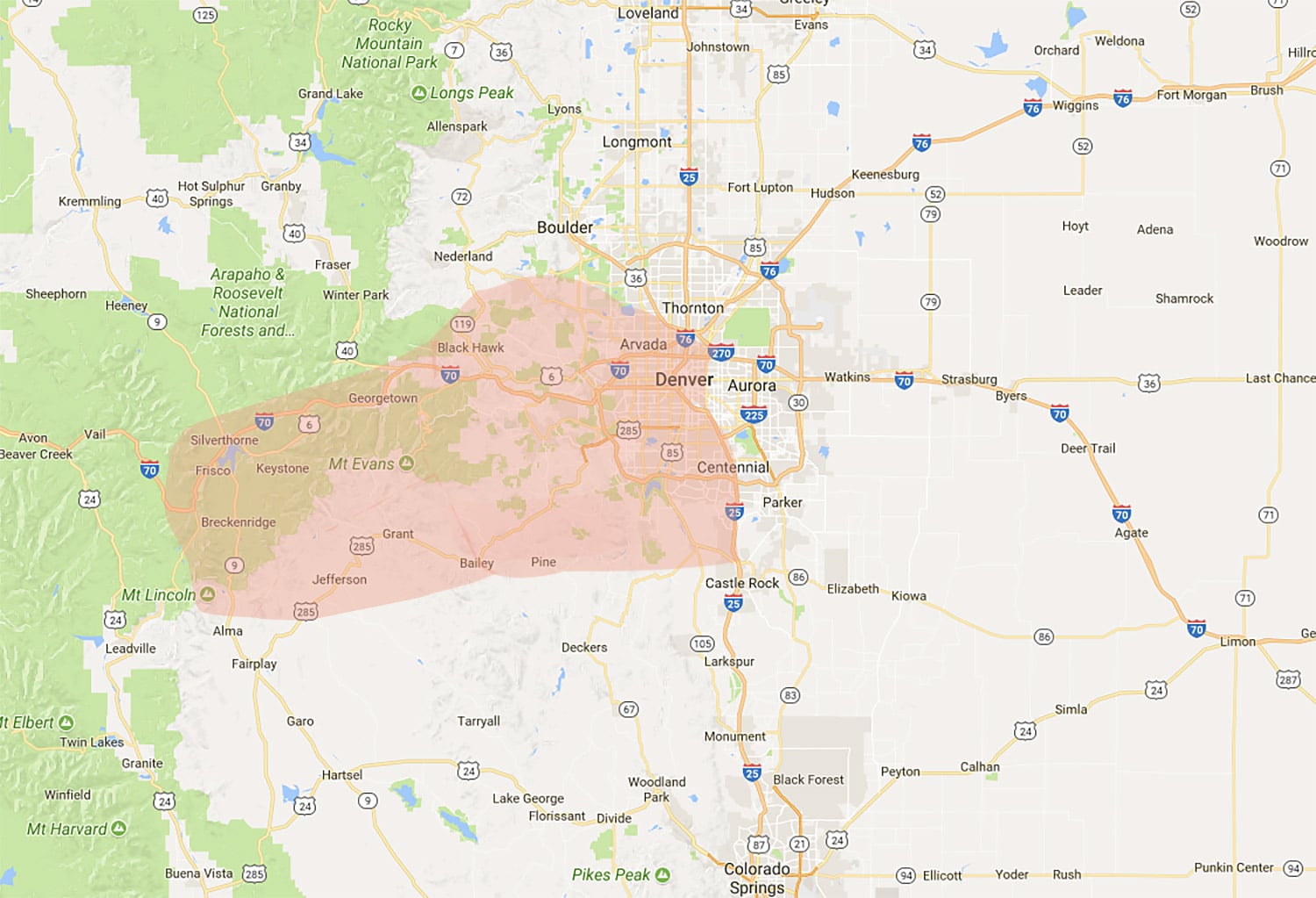
Contact us today to learn more about buying a home with a well. We proudly serve the Colorado Mountain Communities, Denver Metro Area, and Colorado Front Range (Service Areas).