How to Treat Bacteria or Other Microorganisms in Your Well Water


Private well systems can occasionally experience bacterial or microbial contamination. When bacteria enters your well water, prompt testing and treatment are essential to protect your health and restore water quality.
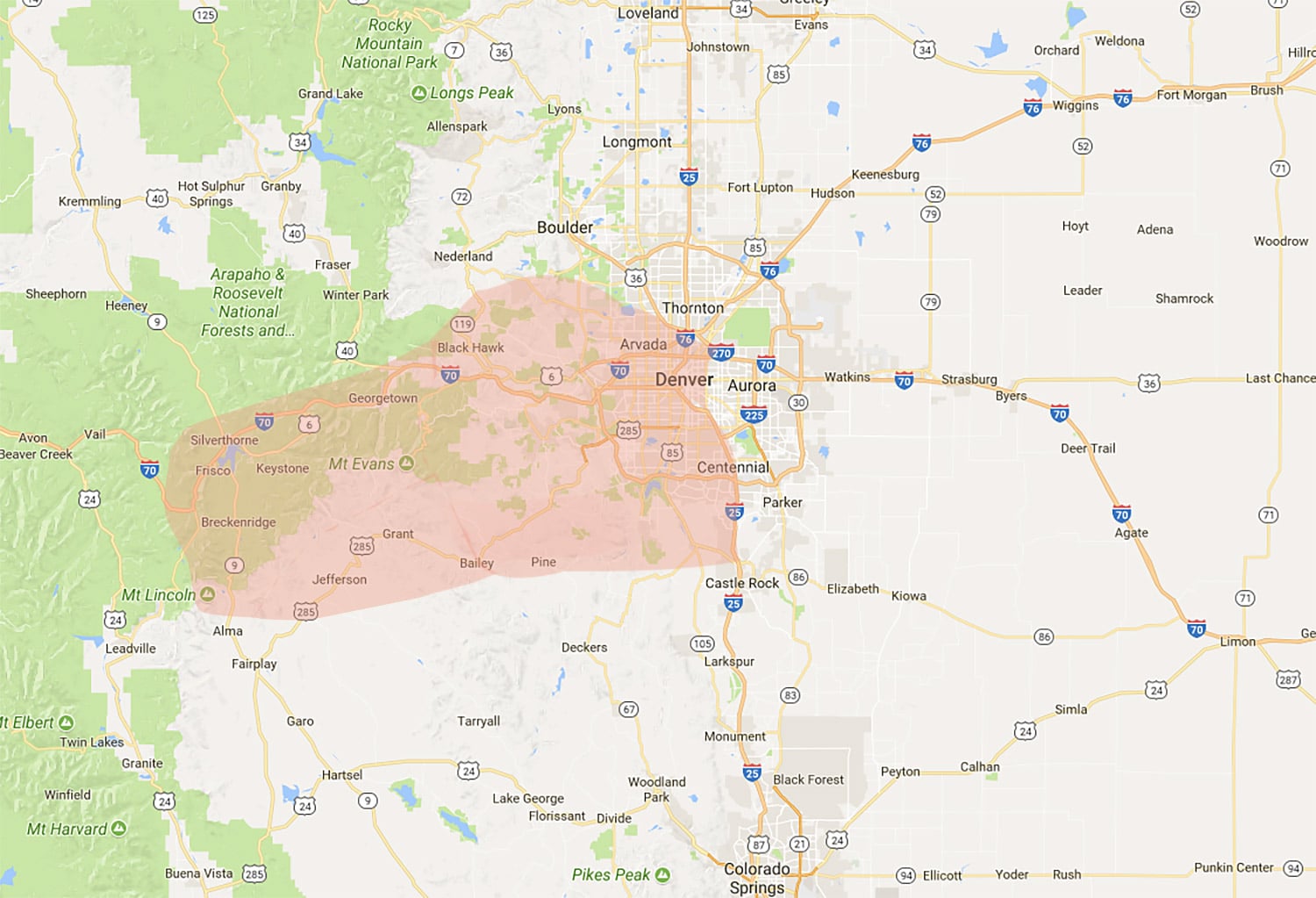
GeoWater Services has served homeowners across Colorado Mountain Communities, the Denver Metro Area, and the Colorado Front Range since 1997, providing professional water testing, disinfection, and long-term treatment solutions.
Here’s what to do if bacteria is detected in your well water and the treatment options available to restore safe, reliable water.
Identifying Bacteria in Well Water
Bacteria such as coliform or E. coli cannot be detected by sight alone. While cloudy water, unpleasant odors, or changes in taste may raise concern, laboratory testing is the only reliable way to confirm contamination.
It’s also important to determine whether the issue is isolated — such as after heavy rainfall — or persistent due to structural breaches, septic system influence, or groundwater conditions. Follow-up testing after treatment confirms whether the problem has been resolved.
Until water tests negative for coliform bacteria, bottled water is recommended for drinking and cooking.
Effective Treatment Options
1. Chlorine Disinfection
Shock chlorination is one of the most common and economical methods for eliminating bacteria in well systems. A concentrated chlorine solution disinfects the well and plumbing system before being flushed. Chlorine may be applied in liquid, granular, or tablet form. Continuous chlorine feeding must be carefully managed to avoid damage to system components.
2. UV Irradiation
UV treatment systems use ultraviolet light to neutralize bacteria and other pathogens without chemicals. Proper pre-filtration and regular bulb maintenance are essential to ensure effectiveness. UV systems provide ongoing protection for many residential well applications.
3. Reverse Osmosis (RO)
Reverse osmosis is a nanofiltration system often paired with activated carbon filtration. While effective at improving water quality, RO is typically part of a broader treatment strategy rather than a primary well disinfection method.
4. Ozone Treatment
Ozone is a powerful disinfectant gas dissolved into water to neutralize microorganisms. It is highly effective but must be generated and administered through a properly designed treatment system.
Ongoing Prevention
If bacteria returns after disinfection, a professional inspection may be needed to identify issues such as well casing breaches or nearby contamination sources. Regular testing and maintenance help ensure long-term protection.
GeoWater Services provides comprehensive inspections and customized treatment solutions designed for Colorado’s unique groundwater conditions.
Frequently Asked Questions
How often should I test my well water for bacteria?
Testing is recommended annually and after flooding, heavy rainfall, or structural repairs.
Can boiling water solve bacterial contamination?
Boiling may kill bacteria temporarily but does not eliminate contamination at the source.
What is the best treatment method?
The right solution depends on whether contamination is isolated or persistent. Professional testing determines the most effective approach.
Contact us today to learn more about well water treatment options. We proudly serve the Colorado Mountain Communities, Denver Metro Area, and Colorado Front Range (Service Areas).