Troubleshooting Well Water Pressure Issues
Homeowners and businesses throughout the Denver Metro and Colorado Front Range depend on consistent, reliable well water pressure every day. Whether you’re using water for household supply, irrigation, or business operations, sudden drops or erratic pressure can create frustration and uncertainty. At GeoWater Services, we bring decades of experience to help you identify, address, and prevent well water pressure issues—ensuring your water system works smoothly and efficiently.
Common Causes of Low Well Water Pressure
Experiencing low water pressure in your well system does not always mean a major repair is needed.
There are several potential reasons your water is not flowing as expected:
1. Faulty Pressure Switch
The pressure switch signals your well pump to start and stop. If it is malfunctioning or improperly set, it can fail to activate the pump or maintain appropriate pressure levels.
2. Clogged or Failing Pressure Tank
Sediment buildup or a faulty bladder inside your pressure tank can restrict water flow or create fluctuations in pressure.
3. Pipe Blockages or Leaks
Corroded or clogged pipes, and undetected leaks in your plumbing, can sharply reduce water pressure without obvious signs.
4. Well Pump Wear or Failure
A well pump that is aging or improperly sized may no longer deliver adequate pressure, especially during peak demand.
5. Water Table Changes
Seasonal variations or drought conditions can lower the water table, affecting the volume and pressure of water available.
Quick Steps to Troubleshoot Your Well Water Pressure
If you’re noticing issues with well water pressure in your Denver Metro or Front Range property, you can perform these initial troubleshooting steps:
1. Inspect Your Pressure Gauge
Check your system’s pressure gauge for readings outside the normal range (typically 40-60 psi for residential wells).
2. Examine Filter and Treatment Components
Sediment or iron filters, and water softeners, may become clogged and should be cleaned or replaced regularly.
3. Look for Visible Signs of Leaks
Damp ground, sudden puddles, or wet spots around pipes and fittings may indicate leaks.
4. Reset the Pressure Switch
Turn off power to the well tank before resetting the pressure switch. If pressure improves briefly, the switch may be faulty.
When to Call a Professional
While some issues can be identified with basic checks, many well water pressure problems require specialized equipment and skill for a correct diagnosis. GeoWater Services’ technicians use advanced testing methods to locate and resolve issues efficiently. We recommend seeking expert assistance if:
- You notice abrupt or sustained drops in water pressure
- Pressure fluctuates frequently
- There are signs of electrical issues or pump failure
- Water quality changes along with pressure
Preventive Maintenance to Keep Water Pressure Steady
Proactive maintenance is vital to prevent future well water pressure problems. A regular inspection schedule—including pump checks, pressure tank assessments, filter changes, and water quality testing—helps catch concerns early and secures your water supply for years to come.
Your Trusted Partner in Water Well Reliability
At GeoWater Services, we understand how important uninterrupted water pressure is to homes and businesses in Colorado. Our friendly, prompt, and highly knowledgeable staff are committed to getting you back to normal quickly, with fair pricing and complete transparency. Whether it’s a simple repair or designing a new system, we’re here to help you experience the difference that expertise and reliability make.
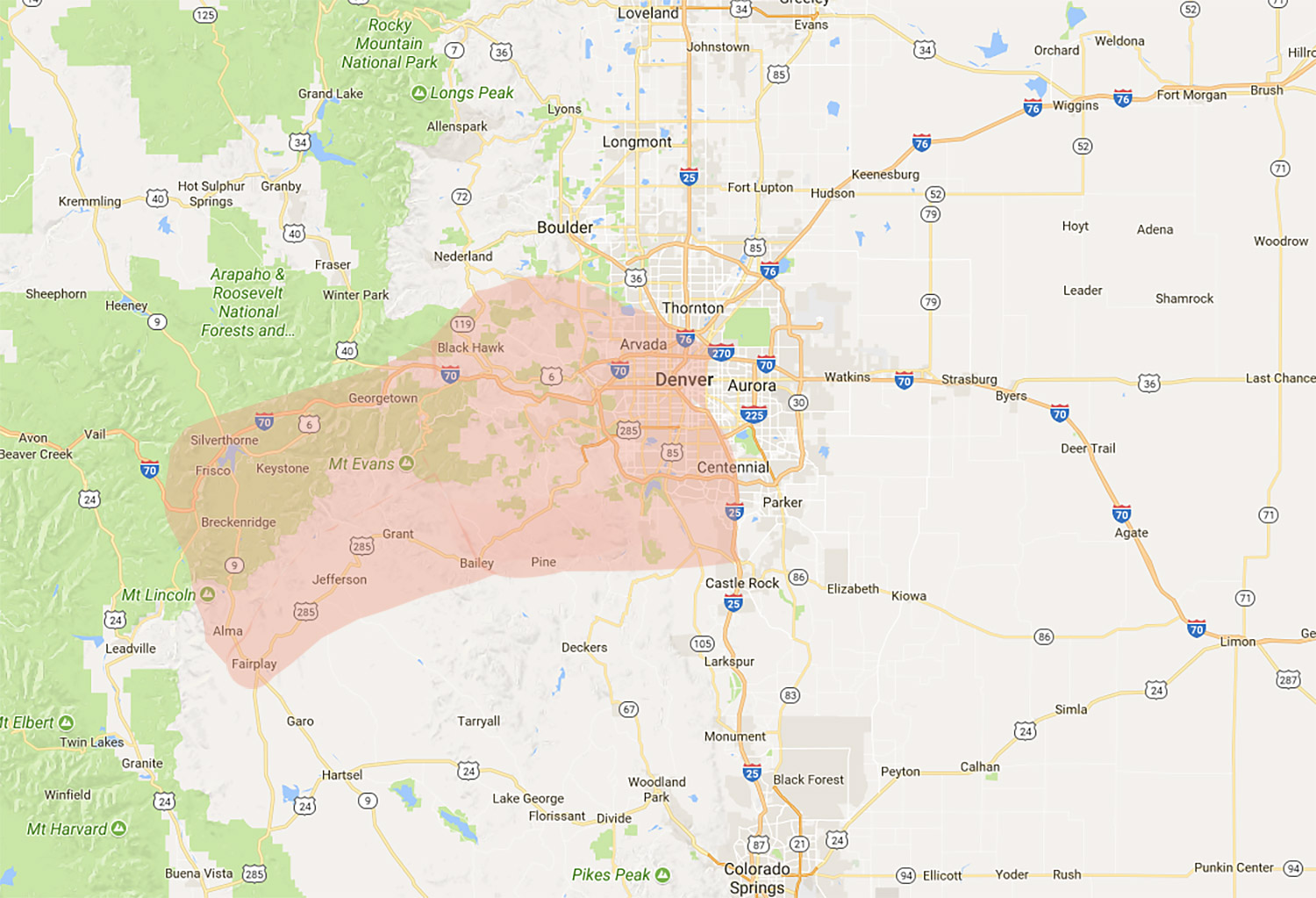
Contact us today to learn more about improving your well’s performance. We proudly serve the Colorado Mountain Communities, Denver Metro Area, and Colorado Front Range (Service Areas).