5 Spring Maintenance Tips for Your Water Well

Spring is the ideal time for water well maintenance in Colorado. Snowmelt, shifting groundwater levels, and increased seasonal water use can affect performance and water quality. Proactive service helps prevent costly repairs and keeps your system running reliably.
Here are five essential steps to keep your well system operating efficiently this spring.
1. Schedule a Professional Water Well Inspection
Winter conditions can strain pumps, pressure tanks, wiring, and well caps. Minor wear often goes unnoticed until it becomes a failure.
A professional inspection typically includes:
- Evaluating pump and motor performance
- Inspecting the pressure tank and pressure switch
- Checking electrical connections
- Examining the well cap and sanitary seal
- Reviewing system flow rate and cycling behavior
Identifying small issues early helps prevent emergency well pump repairs during peak usage months.
2. Test Water Quality After Snowmelt
Spring runoff can introduce surface contaminants into groundwater, particularly in rural and mountain areas.
Annual well water testing is recommended, with spring being an ideal time to test for:
- Bacteria (coliform and E. coli)
- Nitrates
- Sediment levels
- pH balance
- Region-specific contaminants
Certified laboratory testing confirms your water remains safe for drinking, cooking, and everyday use.
3. Inspect the Area Around Your Wellhead
After winter storms and thaw cycles, debris and standing water can accumulate near your well casing.
To reduce contamination risks:
- Clear debris and vegetation 3–5 feet around the wellhead
- Ensure the well cap is securely sealed
- Confirm the ground slopes away from the casing
- Remove standing water near the well
Proper drainage around your wellhead is essential for protecting groundwater integrity.
4. Monitor Water Pressure and Pump Performance
Changes in pressure or system behavior often signal developing issues.
Watch for:
- Fluctuating water pressure
- Air sputtering from faucets
- Pump short-cycling
- Unusual noises
- Decreased water flow
- Rising electric bills related to pumping
Addressing these signs early can extend the lifespan of your pump and prevent full system failure.
5. Evaluate Filtration and Storage Capacity
Spring often brings increased water demand for irrigation, livestock, landscaping, or seasonal occupancy changes.
If your system struggles to keep up, consider:
- Upgrading filtration systems
- Expanding storage capacity
- Improving efficiency with updated pump technology
- Replacing aging components
Strategic upgrades improve long-term reliability and energy efficiency.
Spring Water Well Maintenance Checklist
For quick reference:
- Schedule a professional inspection
- Test water quality
- Clear debris around the wellhead
- Monitor pressure and pump performance
- Review filtration and storage capacity
Following this checklist each spring helps protect your investment and ensure a dependable water supply.
When to Call a Water Well Professional
Contact a licensed contractor if you notice:
- Cloudy or discolored water
- Sudden pressure drops
- Unusual pump noises
- Frequent pump cycling
- Unusual taste or odor
Prompt service can prevent more extensive repairs and reduce long-term costs.
Frequently Asked Questions
How often should well water be tested?
At least once per year for bacteria, nitrates, and common contaminants. Test sooner if you notice changes in taste, odor, or clarity.
How long does a well inspection take?
Most inspections take one to two hours, depending on system complexity.
Do older systems require more maintenance?
Yes. Aging pumps, tanks, and filtration components should be monitored more closely to prevent unexpected breakdowns.
Conclusion
Spring is the ideal time to schedule preventative water well maintenance and prepare your system for increased seasonal demand. Routine inspections and testing help ensure clean, reliable water throughout the year.
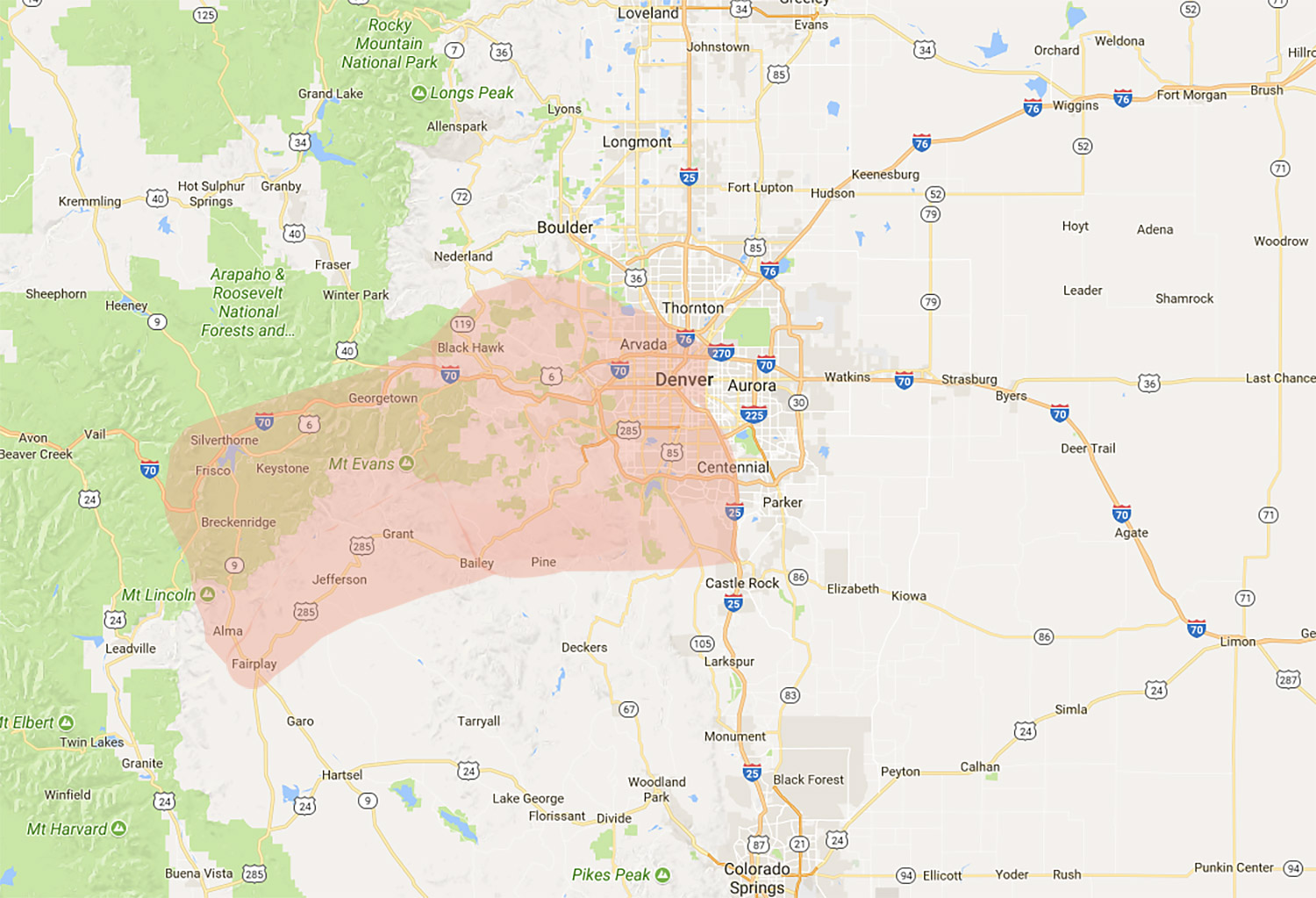
Contact us today to learn more about water well maintenance. We proudly serve the Colorado Mountain Communities, Denver Metro Area, and Colorado Front Range (Service Areas).