7 Common Ways Bacteria Gets Into a Well

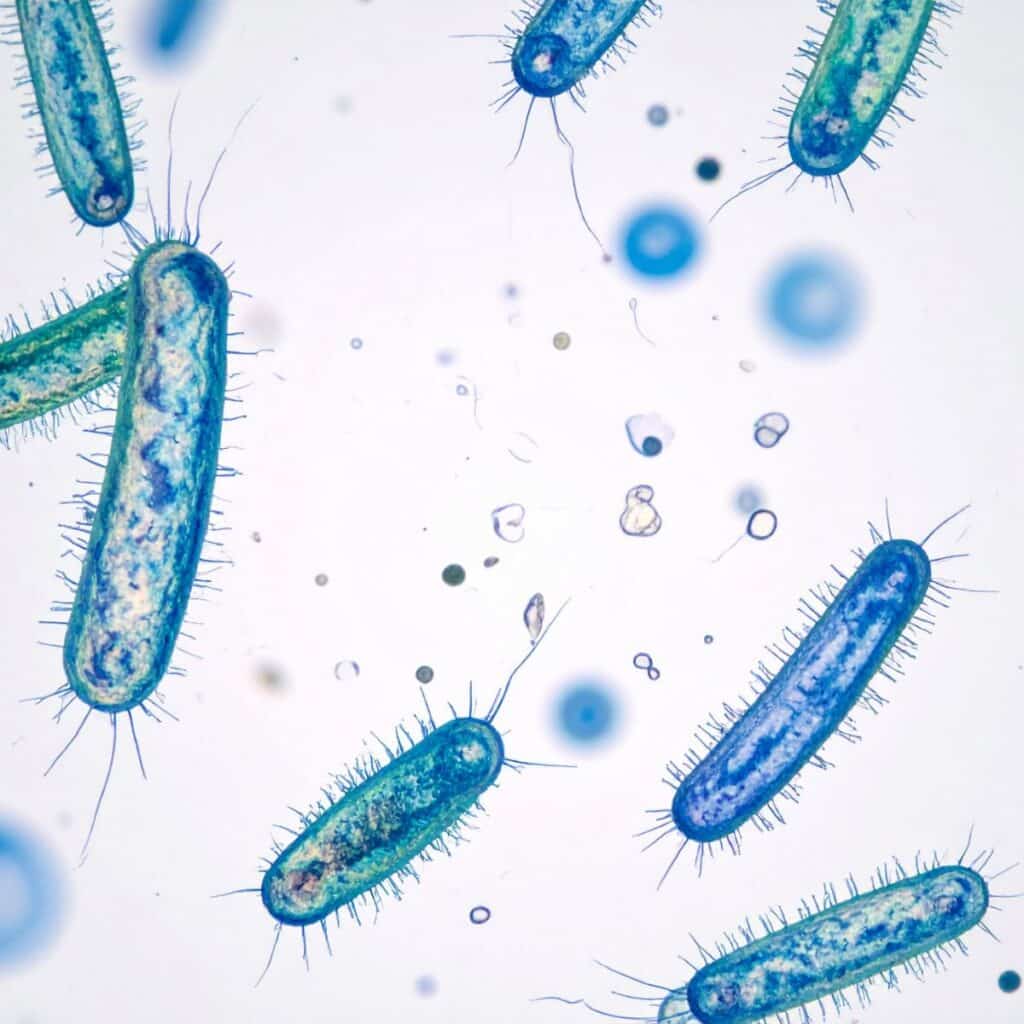
Private wells provide clean, reliable water for many homes across Colorado. But under certain conditions, bacteria can enter a well and contaminate the water supply. Understanding how bacteria gets into a well is the first step toward protecting your system.
How Does Bacteria Enter Well Systems?
Bacteria in well water typically results from surface contamination, equipment failure, or groundwater vulnerabilities. The following seven causes are among the most common sources of well water contamination.
1. Defective or Improperly Sealed Well Caps
The well cap is the first line of defense against contamination. If it is cracked, loose, not watertight, or missing a proper seal, insects, small animals, debris, and bacteria can enter directly through the top of the casing.
A secure, professionally installed cap should be tightly fitted, sealed, and in good condition to prevent surface contaminants from entering the well.
2. Improper Well Construction
Wells that were not constructed to proper standards are significantly more vulnerable to contamination. Inadequate casing depth, poor grouting, or improper sealing can allow surface water and bacteria to seep into the borehole.
Professional well construction ensures protective barriers are installed correctly from the start.
3. Abandoned or Unsealed Wells
Old or improperly abandoned wells on a property can act as direct pathways for bacteria to reach groundwater. Even if not in use, these wells can allow surface runoff and contaminants to bypass natural filtration layers in the soil.
Properly locating and professionally sealing abandoned wells helps protect both your water supply and surrounding aquifers.
4. Surface Runoff and Drainage Issues
Heavy rainfall, snowmelt, irrigation, or poor grading around the wellhead can carry bacteria-laden water toward the casing. If drainage is inadequate, runoff may pool near the well and increase the risk of contamination.
Maintaining proper grading and keeping the wellhead elevated above surrounding ground level reduces this risk.
5. Flooding Events
Floodwater often contains high levels of bacteria and organic contaminants. During flooding, contaminated surface water can infiltrate vulnerable wells through compromised seals, damaged caps, or casing defects.
After any flooding event, water testing is strongly recommended before using the well water for drinking.
6. Nearby Septic System Failures
Septic systems located too close to a well—or systems that are malfunctioning—can introduce bacteria into groundwater. Over time, untreated wastewater may migrate through soil and enter inadequately protected wells.
Proper spacing, maintenance, and inspection of septic systems are essential to preventing cross-contamination.
7. Naturally Vulnerable Geology
Certain geological conditions increase the risk of bacteria reaching groundwater. Shallow fractured bedrock and limestone formations (karst terrain) allow water to move more quickly from the surface to aquifers, reducing natural filtration.
In these environments, wells require especially careful design, sealing, and routine monitoring to maintain safe water quality.
Protecting Your Well from Bacterial Contamination
Preventing bacteria in well water starts with proactive maintenance. Regular inspections, annual water testing, and prompt repairs help identify vulnerabilities before they become serious problems.
Professional services such as well inspections, cap replacement, proper well sealing, and abandoned well closure significantly reduce contamination risks. Water treatment systems can also provide additional protection when necessary.
FAQs
What are the signs of bacteria in well water?
Changes in taste, odor, or appearance may indicate contamination. In some cases, gastrointestinal illness among those using the water source may also be a warning sign.
How often should well water be tested?
Annual bacterial testing is recommended for private wells. Additional testing is advised after flooding, repairs, or changes in water quality.
Can a contaminated well be repaired?
Yes. Disinfection, structural repairs, cap replacement, or filtration systems can often restore safe water quality.
Does heavy rainfall affect well water?
Yes. Rainfall and snowmelt can increase surface runoff, which may introduce bacteria into vulnerable well systems.
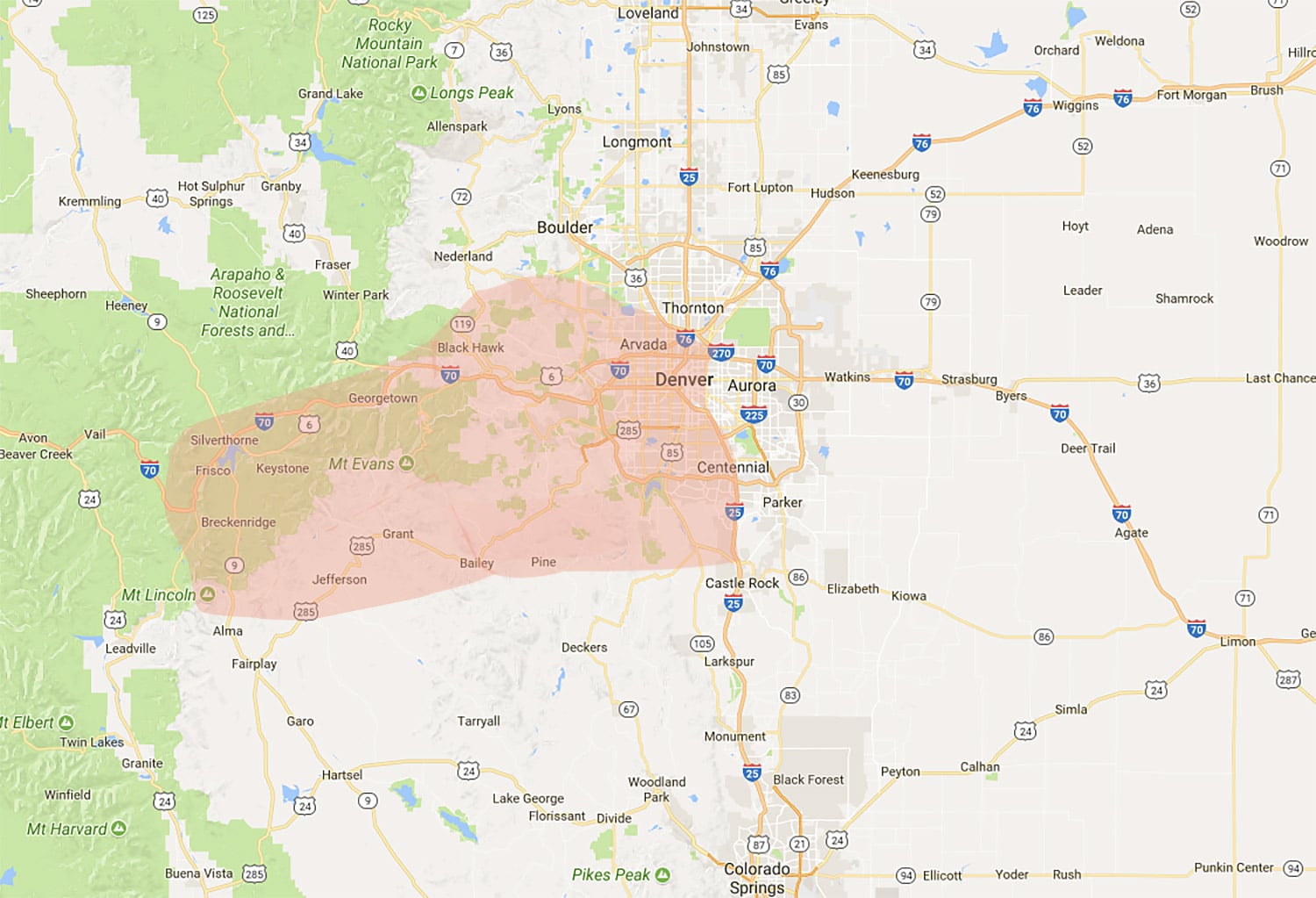
Contact us today to learn more about protecting your well water. We proudly serve the Colorado Mountain Communities, Denver Metro Area, and Colorado Front Range (Service Areas).