How Do I Get a Well Drilled?
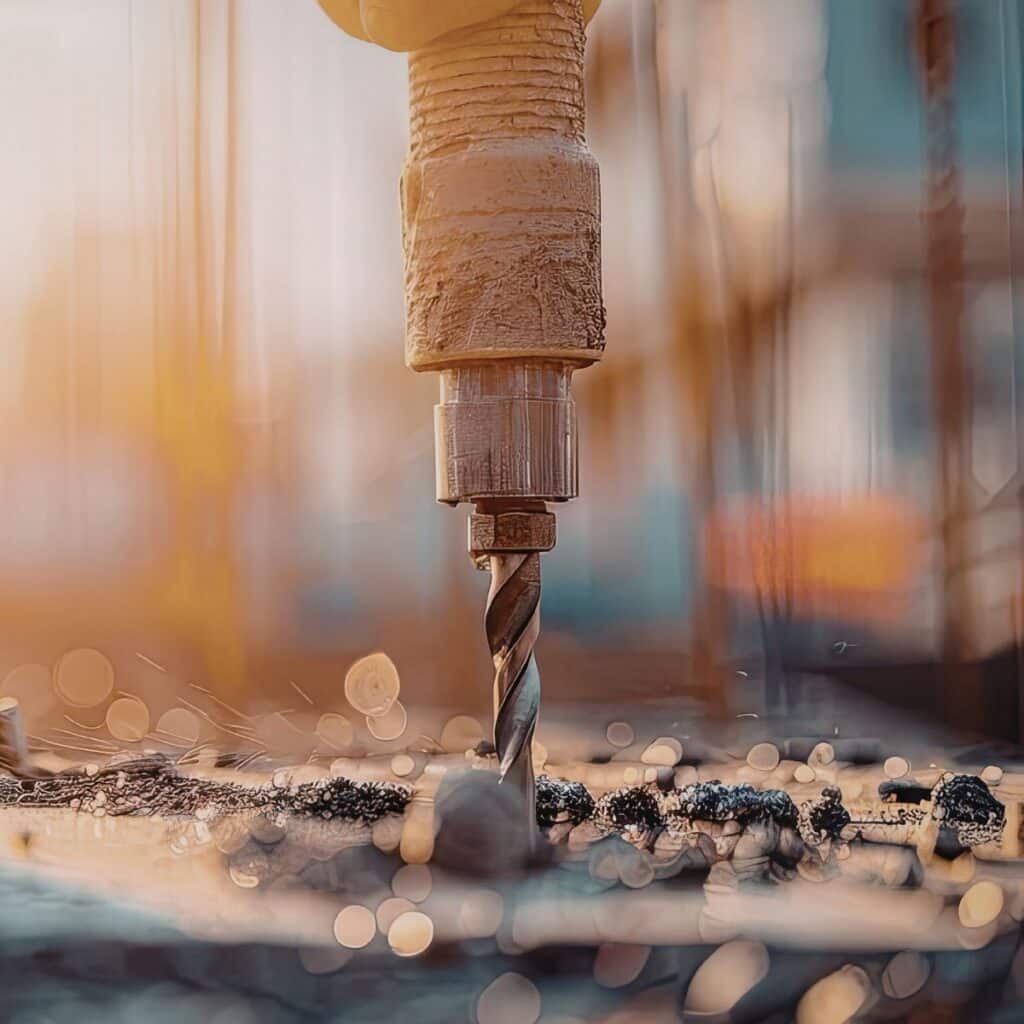
If you’re building on property in Colorado and need a reliable water source, drilling a private well is a great long-term solution.
The process involves permitting, site planning, and working with an experienced professional who understands Colorado’s geology and regulations. Taking the right steps early helps prevent delays and ensures your system is built to perform for years to come.
Here’s a clear overview of how to get a well drilled in Colorado.
1. Legal Requirements and Permits
Before drilling begins, state and local requirements must be met. In Colorado, most wells require permits through the Colorado Division of Water Resources. Regulations vary depending on property location, intended water use, and zoning.
An experienced contractor can guide you through the permitting process before equipment arrives onsite, preventing delays and protecting your investment.
2. Hire a Qualified Water Well Professional
Choosing the right well drilling company is critical. Look for a licensed contractor familiar with Colorado’s geology, groundwater conditions, and regulatory requirements.
A reputable professional will:
- Conduct a site evaluation
- Review local water availability
- Provide transparent cost estimates
- Recommend appropriate equipment
- Follow proper construction standards
Partnering with an established company helps ensure your well is built safely and designed for long-term performance.
3. Select the Best Well Location
Well placement directly impacts water quality and production. Planning before home construction allows flexibility in choosing the most productive location.
Factors that influence placement include:
- Topography and drainage
- Distance from septic systems or contamination sources
- Geological conditions and aquifer access
- Accessibility for drilling equipment
A thorough evaluation identifies the safest and most efficient site.
4. Determine Your Water Needs
Your daily water demand affects well depth, pump selection, and system design.
Most Colorado homes use approximately 150–300 gallons per day, depending on occupancy and lifestyle. Peak usage may occur during short periods when multiple fixtures or irrigation systems run simultaneously.
Key system considerations include:
- Flow rate:
Continuous yield of the well - Well depth and diameter:
Available storage capacity - Static water level:
Influences pump selection and pressure - Seasonal or special uses:
Irrigation, livestock, or treatment systems
Designing for both average and peak demand prevents pressure issues and performance limitations.
5. Drilling and System Installation
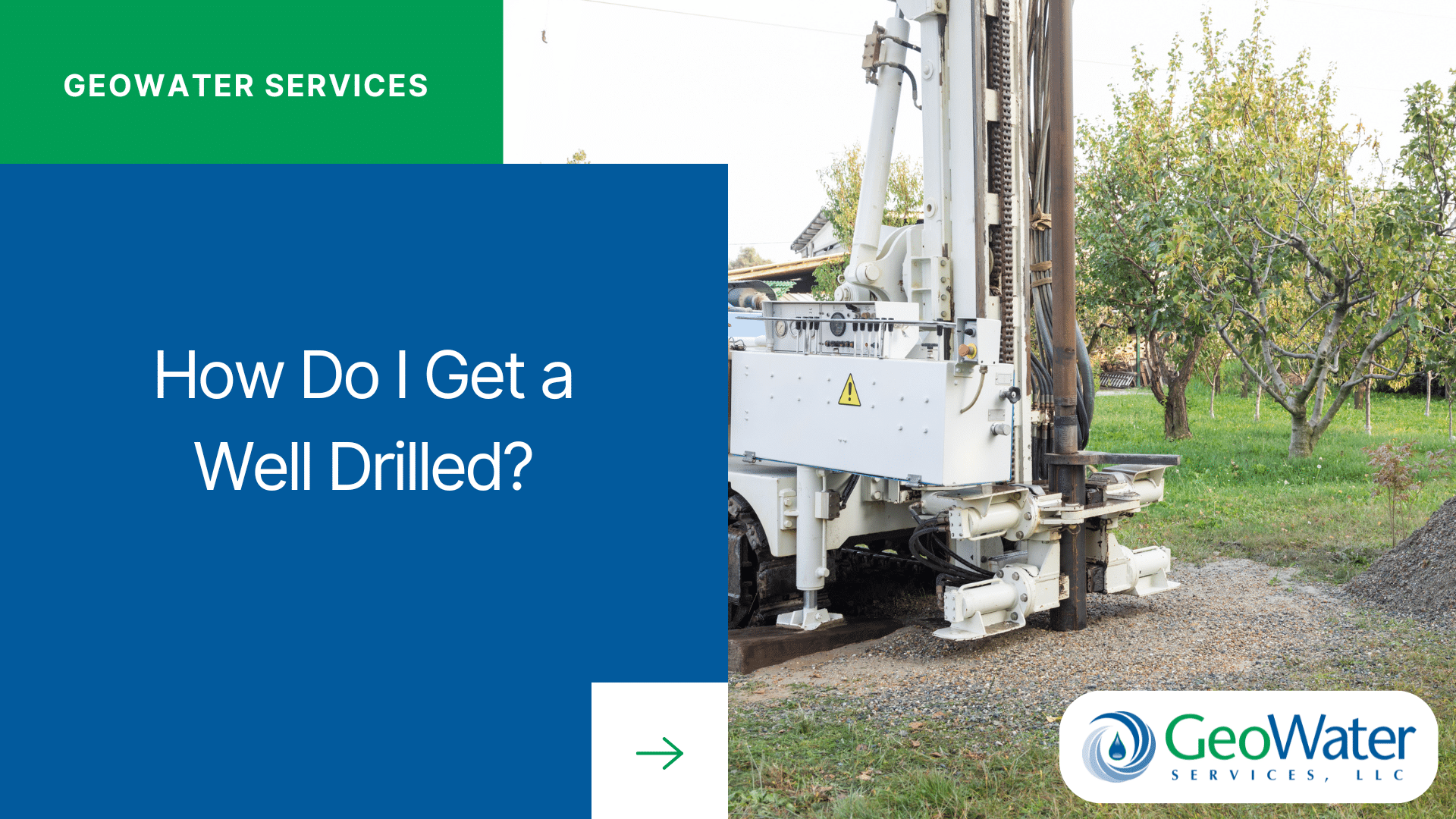
Once permits and design are finalized, drilling begins. Specialized rigs reach the aquifer, and the well is developed to improve water flow and remove sediment.
Installation typically includes:
- Well casing
- Pump system
- Pressure tank
- Electrical components
- Optional filtration or treatment equipment
Proper installation protects water quality and system efficiency.
6. Ongoing Maintenance and Inspections
Routine inspections, water testing, and equipment servicing extend the lifespan of your well system and help prevent costly repairs.
With regular maintenance, a private water well can last 30–50 years or more.
FAQs About Water Well Drilling in Colorado
How much does it cost to drill a well in Colorado?
Costs typically range from $10,000 to $30,000 depending on depth, terrain, and system requirements.
How long does it take?
Drilling often takes a few days, though permitting and preparation may extend the timeline.
Can I drill anywhere on my property?
No. Wells must meet state setback requirements and avoid contamination risks.
What permits are required?
Most wells require approval from the Colorado Division of Water Resources before drilling begins.
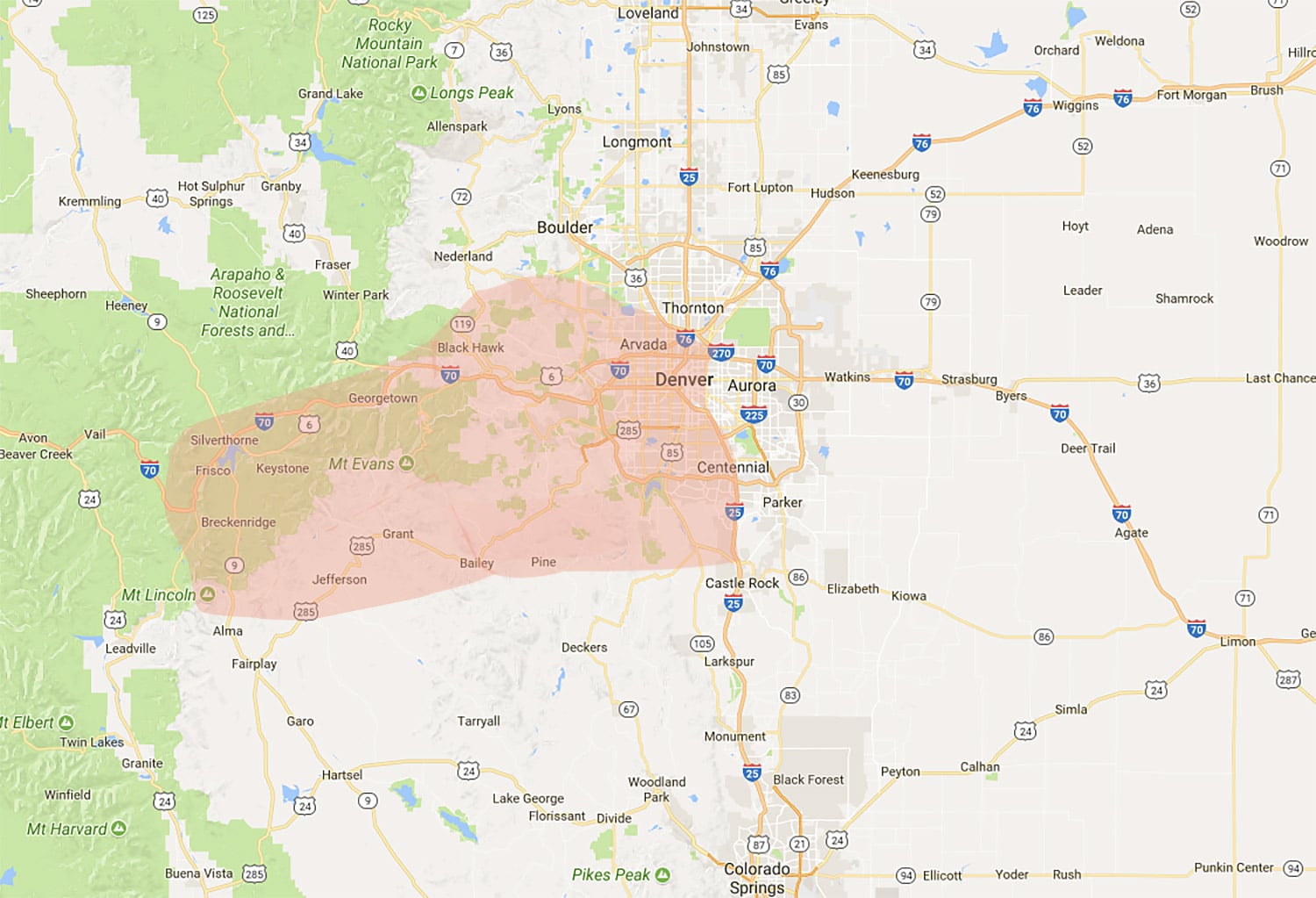
Contact us today to learn more about water well drilling. We proudly serve the Colorado Mountain Communities, Denver Metro Area, and Colorado Front Range (Service Areas).