How Do I Know if My Well Will Produce Enough Water?

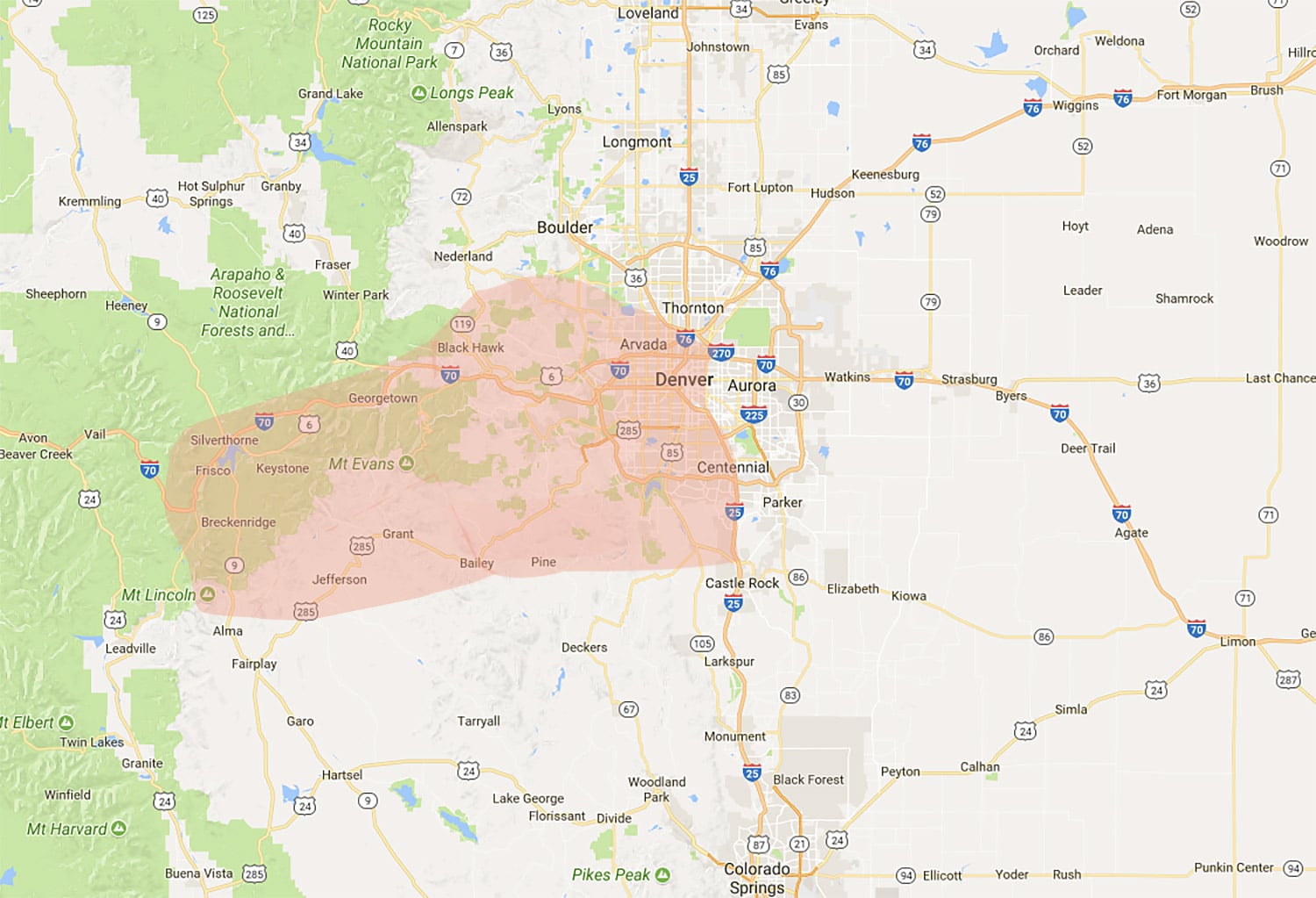
Access to a reliable water supply is essential for homeowners and businesses relying on private wells throughout Colorado’s Mountain Communities, Denver Metro Area, and the Colorado Front Range. If you’re installing a new well — or wondering whether your current system can keep up — one of the most important questions is whether it will produce enough water for your needs.
In this guide, we’ll break down what determines well water yield, what a “good” flow rate looks like, and how to tell if your system can handle daily and peak usage.
What Determines Well Water Yield?
Several factors influence a well’s production capacity. Understanding these variables can help predict whether your well will provide dependable, long-term water availability.
1. Aquifer Characteristics
Your well draws water from an underground aquifer. The type of formation, its depth, and its ability to transmit groundwater all directly impact yield. Some areas of Colorado provide consistent production across a region, while others vary significantly from property to property. Professionals familiar with local drilling conditions often have a strong understanding of how productive nearby wells are — but it’s important to note that no well comes with a guaranteed output. Each site is unique.
2. Water Flow Into the Well
Well yield is defined by the amount of water flowing into the well at a given depth, measured in gallons per minute. For most residential properties, a sustained rate of 5 GPM or greater is generally considered adequate, though higher-demand homes may require more. The aquifer’s recharge rate ultimately determines how quickly water replenishes as it is pumped.
3. Well Design and Storage Capacity
Modern wells are not designed to function as underground storage tanks, but the amount of water stored within the well column does matter. Storage capacity is influenced by the well’s diameter, total depth, pump setting depth, and the height of standing water inside the casing. While some additional storage may exist in pressure tanks or auxiliary storage systems, long-term availability depends primarily on how effectively the well accesses the aquifer.
4. Pump Condition and System Performance
Even if groundwater supply is sufficient, system components affect how water is delivered. Pump efficiency, pressure tank performance, and proper system sizing all influence perceived flow rate and reliability. Routine maintenance ensures your system can deliver water consistently during high-demand periods.
5. Seasonal and Climatic Variations
Groundwater levels fluctuate with seasonal precipitation, snowmelt, and drought conditions. In Colorado’s semi-arid climate, recharge rates may slow during dry periods. A properly constructed and maintained system helps minimize the impact of these natural variations.
Understanding Water Demand and Peak Usage
Adequate well production is not only about supply, it also depends on how and when water is used.
Two demand-side factors are especially important:
- Peak load:
The maximum volume of water used during high-demand times (such as mornings or irrigation cycles). - Peak load time:
The length of time that peak demand must be sustained.
A well must be able to supply the highest volume of water needed during the shortest period it is required. Household size, irrigation systems, livestock, and business operations all influence this calculation. Evaluating both supply capacity and usage patterns provides a more accurate picture of whether a well will meet long-term needs.
Signs Your Well May Not Be Producing Enough Water
If you’re concerned about performance, these indicators may signal reduced yield or flow rate issues:
- Decreased water pressure or reduced flow at fixtures
- Pump running continuously or cycling frequently
- Dry faucets during heavy usage
- Increased sediment or air in water lines
If these symptoms occur, professional well production testing can measure current flow rate and recovery capacity to determine whether corrective action is needed.
How to Ensure Your Well Meets Your Needs
Ensuring adequate water production starts with proper site evaluation, well design, and ongoing maintenance. By assessing local geology, expected flow rate, storage capacity, and peak demand requirements, a well system can be designed to provide reliable output year-round. In some cases, additional storage solutions or system modifications may improve overall performance.
Working with an experienced well professional familiar with your area’s aquifers allows for informed planning and realistic expectations about long-term water availability.
FAQs
How many gallons per minute should my well produce?
For most homes, a sustained yield of 5 gallons per minute (GPM) is considered sufficient. Larger households, irrigation systems, or commercial properties may require higher flow rates.
Can well yield decrease over time?
Yes. Sediment buildup, pump wear, declining aquifer recharge, or extended drought conditions can reduce production capacity.
What is the typical lifespan of a water well?
Most wells last between 20 and 50 years, depending on construction quality, geology, and maintenance.
How is well production tested?
A professional pump test measures gallons per minute output and evaluates recovery rate over time to determine sustainable yield.
What should I do if my well is running dry?
If you experience loss of water supply, consult a qualified well professional promptly to assess whether deepening, rehabilitation, or storage enhancements are appropriate.
Contact us today to learn more about your well’s production capacity. We proudly serve the Colorado Mountain Communities, Denver Metro Area, and Colorado Front Range (Service Areas).