Are Private Household Wells Regulated?


Private household wells are a vital water source across Colorado’s mountain communities, the Denver Metro Area, and the Colorado Front Range. For many homeowners, well water provides independence and reliability. A common question, however, is: are private household wells regulated in Colorado?
The answer is yes, but regulation is primarily focused on well construction and permitting rather than ongoing water quality monitoring.
Understanding Private Well Regulations in Colorado
In Colorado, private household wells are regulated by the Colorado Division of Water Resources (DWR). The state requires permits for new well construction and for significant modifications to existing wells. These requirements help protect groundwater resources and ensure wells are built to proper safety and environmental standards.
Well construction standards are designed to prevent contamination and protect both the aquifer and the health of future water users. In some cases, local jurisdictions may adopt additional or more specific requirements beyond state guidelines.
What Happens After Construction?
Once a well is completed, regulatory oversight typically decreases. In many states — including Colorado — water may be tested at the time of completion to confirm it meets basic health standards before being used for consumption.
For example, water may need to test free of coliform bacteria. The presence of coliform can indicate conditions that allow harmful pathogens to develop. If bacteria are detected, corrective action must be taken before the water is considered safe.
After installation and initial approval, however, routine water quality monitoring becomes the homeowner’s responsibility.
Are Private Wells Regulated Ongoing?
Unlike public water systems, private household wells do not have continuous government monitoring. There are generally no mandatory annual inspections or required ongoing state testing for residential wells.
Homeowners are responsible for:
- Regular water quality testing
- Maintaining pumps and pressure systems
- Monitoring changes in water taste, odor, or clarity
- Addressing contamination or equipment issues promptly
This decentralized approach provides flexibility but makes proactive maintenance essential.
What About Property Transfers?
In some states, water testing is required when a property with a private well is sold. While Colorado does not universally mandate testing at transfer, lenders or buyers may require water quality testing as part of the transaction process.
Testing during property transfer is a valuable safeguard and can prevent unexpected issues after closing.
The Importance of Ongoing Well Maintenance
Even though ongoing regulation is limited, proper maintenance is critical for protecting human health and groundwater quality.
1. Regular Water Quality Testing
Annual testing is strongly recommended to check for bacteria, nitrates, sediment, and region-specific contaminants. The CDC advises private well owners to test their water at least once per year.
2. System Maintenance
Routine inspection of well pumps, pressure tanks, and electrical components helps prevent costly repairs and unexpected system failures.
3. Protecting Family Health
Contaminants such as bacteria or elevated nitrate levels can pose health risks. Early detection through routine testing allows issues to be corrected quickly and effectively.
GeoWater Services: Your Expert Partner
Since 1997, our experienced team has helped clients navigate permitting requirements, evaluate water quality, and maintain well systems for long-term performance and safety. From system design and installation to water testing and treatment, we provide clear guidance and dependable service every step of the way.
Understanding private well regulations doesn’t have to be complicated. With the right expertise, homeowners can confidently manage their systems and protect their water supply for years to come.
FAQs
What is required to legally drill a private well in Colorado?
You must obtain a well permit from the Colorado Division of Water Resources before drilling. The permit ensures the well meets construction and groundwater protection standards.
Do private wells need to meet specific water quality standards?
Water may be tested at the time of construction completion. After that, routine testing is not state-mandated but is strongly recommended for health and safety.
Who is responsible for maintaining a private household well?
Once installed, the homeowner is responsible for ongoing maintenance, monitoring, and water quality testing.
How often should water quality be tested?
Annual testing is recommended, along with additional testing if you notice changes in taste, odor, or clarity.
Can GeoWater Services help if there is an issue with my well water?
Yes. GeoWater Services provides comprehensive water testing, system evaluations, and treatment solutions to ensure safe, reliable water for your home.
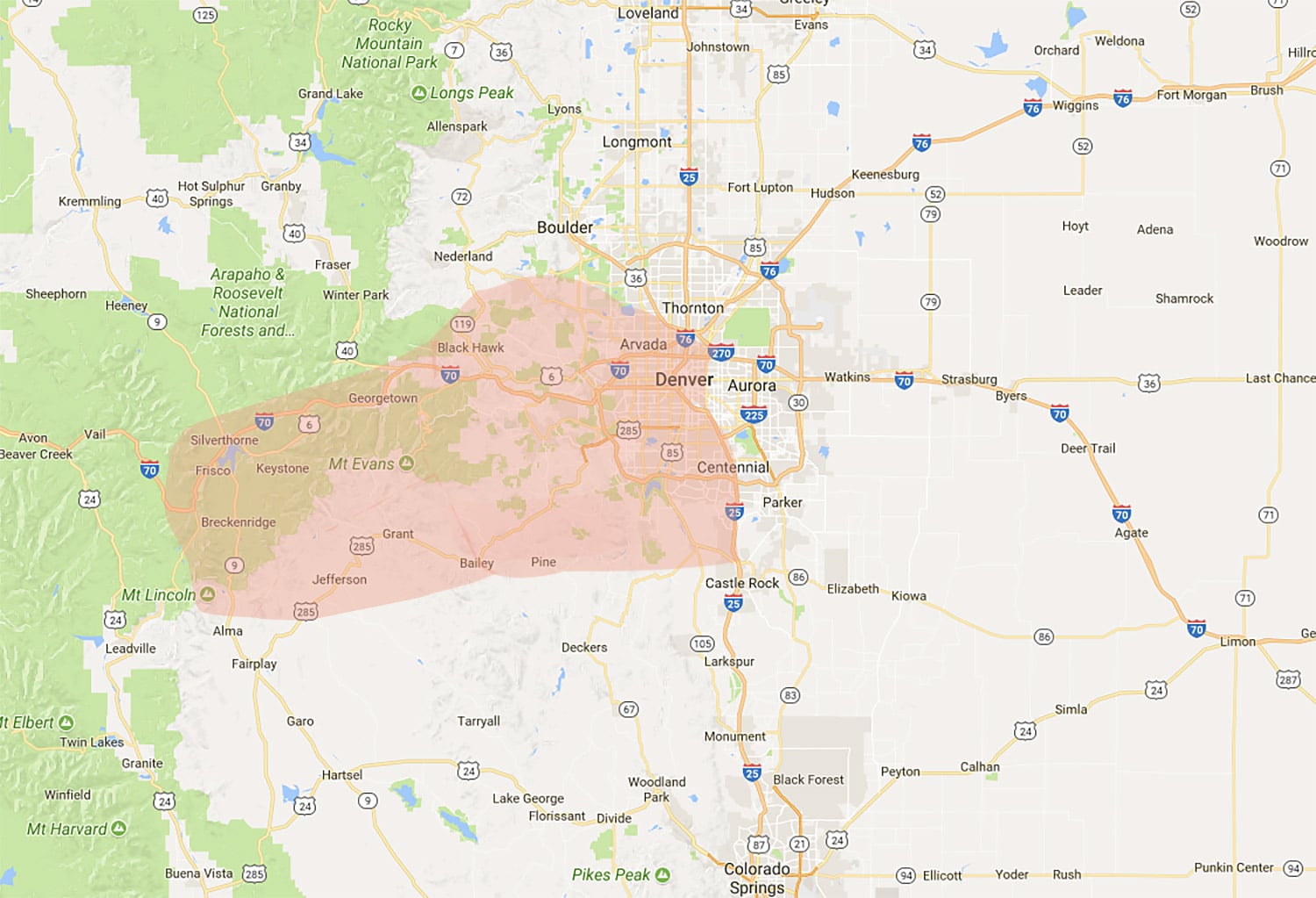
Contact us today to learn more about maintaining your private well system. We proudly serve the Colorado Mountain Communities, Denver Metro Area, and Colorado Front Range (Service Areas).