How Do I Know if I Need a New Well?


Water wells can provide reliable groundwater for decades, but even well-built systems eventually age. If you’ve noticed changes in water pressure, quality, or overall performance, your well could be nearing the end of its lifespan. While some issues can be repaired, others may point to deeper structural concerns.
8 Signs You May Need a New Water Well
1. Decreased Water Production or Low Yield
A noticeable drop in water flow rate is one of the most common signs of a failing well. If your system struggles to maintain pressure or cannot keep up with normal household demand, the well may no longer be producing sufficient water.
In some cases, sediment buildup or pump issues can be repaired. However, if the aquifer level has dropped below the depth of your well or long-term yield has significantly declined, constructing a new well may be necessary to restore reliable water access.
2. Declining Water Quality
Changes in taste, odor, clarity, or color may indicate that the well structure itself is deteriorating. Corrosion, cracks, or compromised casing can allow contaminants to enter the groundwater supply.
In older wells, especially those with steel casing, corrosion can reach a point where relining or repairs are no longer feasible. When water quality degradation is tied to structural failure, replacement is often the safest long-term solution.
3. Repeated or Costly Repairs
If you’re replacing pumps, repairing casing sections, or addressing persistent performance issues on a routine basis, it may be more economical to invest in a new water well system. Continual short-term fixes can quickly exceed the cost of replacement while still leaving you vulnerable to system failure.
4. Structural Deterioration of the Well Casing
Much of a well’s condition is hidden below ground. A professional well inspection may reveal corrosion, collapsed sections, cracks, or casing damage that cannot be effectively repaired. In severe cases, the casing cannot be replaced or lined, making reconstruction the only viable option.
Because these issues aren’t visible at the surface, professional evaluation is essential before making a decision.
5. Drop in the Local Water Table
Groundwater levels can shift over time due to drought conditions, increased regional demand, or natural aquifer changes. If the water table drops below the depth of your existing well, production may permanently decline. In these situations, drilling a deeper replacement well may be required to reach a sustainable water source.
6. Age of the Well (20–30+ Years)
While many wells can last 20 to 50 years, systems over 25 years old are more susceptible to structural deterioration, corrosion, and declining yield. If your well is shallow or aging, a professional inspection can determine whether repairs are practical or if replacement is the more reliable long-term investment.
7. Increased Water Demand
Growing households, agricultural needs, or business expansion can place strain on an older well that was not designed for higher water usage. If your current system cannot meet demand despite proper maintenance, upgrading to a newly constructed well may provide better long-term performance.
The Importance of a Professional Well Inspection
Before deciding to replace a water well, a thorough inspection by a qualified water well system professional is critical. Many issues can be addressed through repair or rehabilitation, and a reputable contractor should clearly explain whether restoration is possible.
During an evaluation, a professional will assess:
- Flow rate and yield capacity
- Pump performance
- Water quality results
- Casing integrity and structural condition
- Aquifer levels relative to well depth
If deterioration is severe or structural components are beyond repair, your technician should explain why a new well must be constructed rather than attempting further repairs. Transparent recommendations protect both your water supply and your investment.
FAQs
How long does a water well typically last?
Most wells last between 20 and 50 years depending on construction quality, groundwater conditions, and maintenance history. Regular inspections help extend lifespan.
How do I know if my well can be repaired instead of replaced?
A professional inspection is the only reliable way to determine this. Structural deterioration, severe casing corrosion, or permanent yield decline may require replacement.
What causes a drop in well water production?
Common causes include sediment buildup, pump issues, declining aquifer levels, or a drop in the local water table.
How much does it cost to replace a water well in Colorado?
Costs vary based on depth, geological conditions, materials, and location. A site-specific evaluation is necessary for an accurate estimate.
Is low water pressure always a sign I need a new well?
Not necessarily. Low pressure can result from pump issues or pressure tank problems. A professional inspection can determine whether the issue is mechanical or structural.
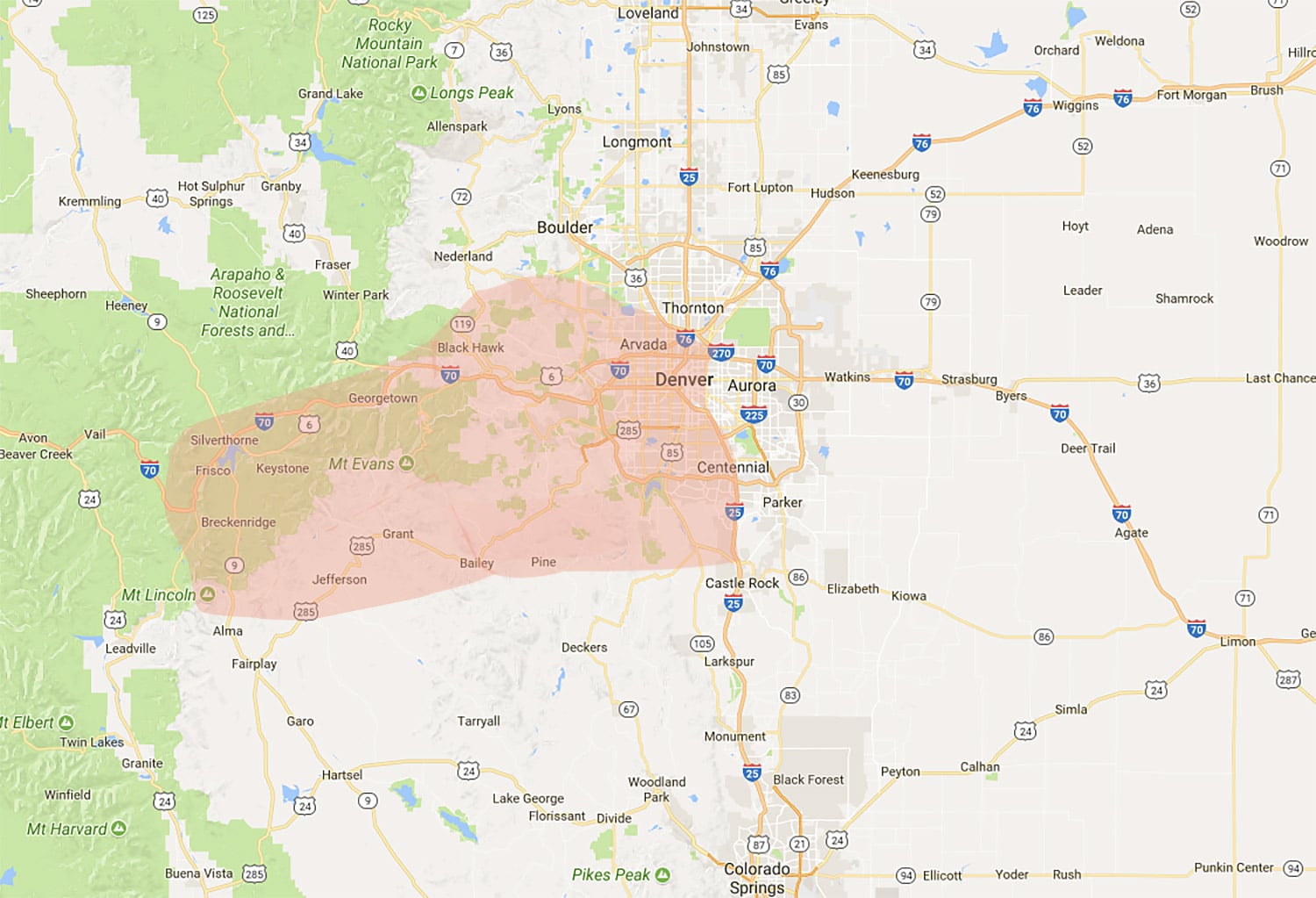
Contact us today to learn more about water well replacement. We proudly serve the Colorado Mountain Communities, Denver Metro Area, and Colorado Front Range (Service Areas).