What are the Key Components of a Water Well?

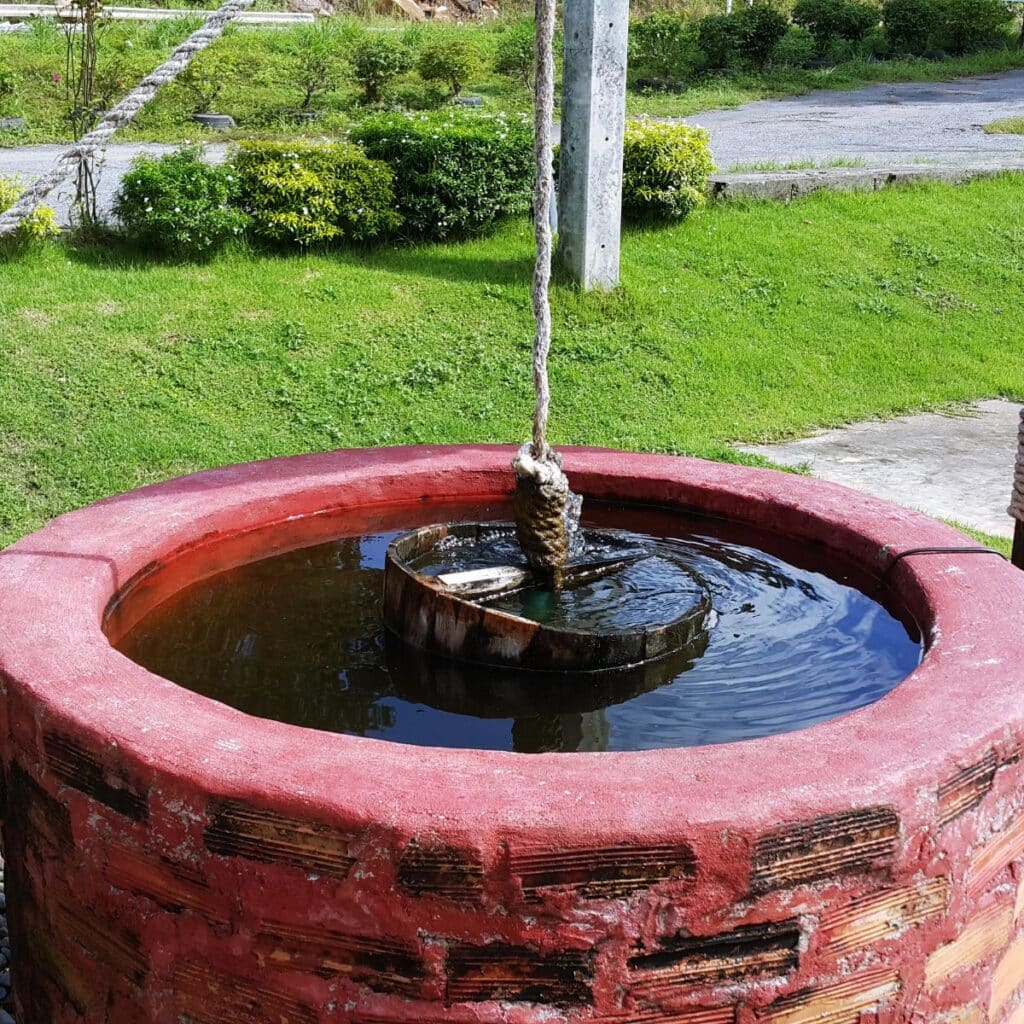
A water well isn’t just a hole in the ground — it’s a complete system made up of multiple components working together to deliver clean, reliable groundwater. Several of these components directly protect your water from contamination, while others ensure proper flow and pressure inside your home.
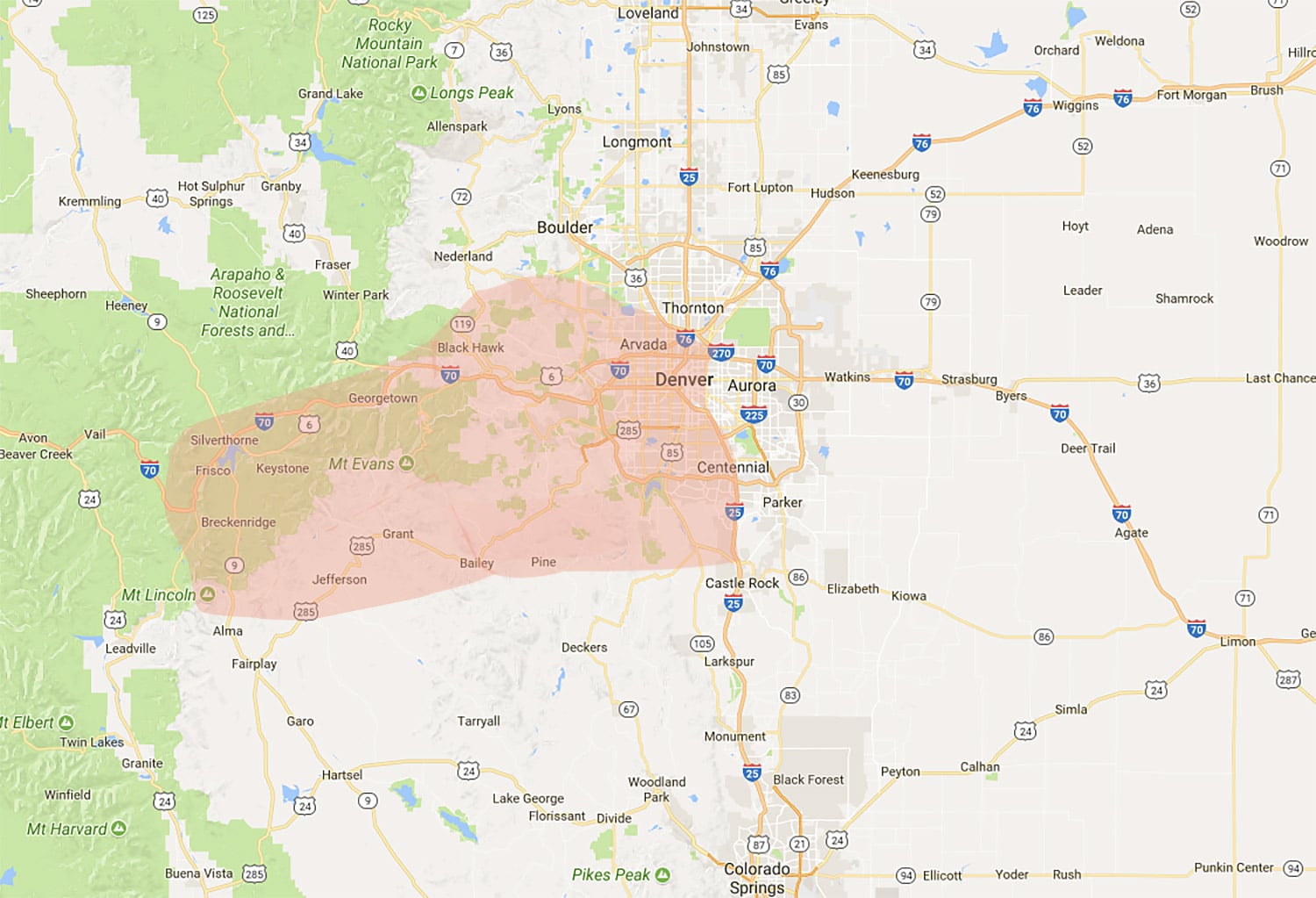
For homeowners across Colorado’s mountain communities, the Denver metro area, and the Front Range, understanding how your well system works is key to protecting your water supply.
Here are eight essential components of a properly functioning water well system.
1. Well Casing
The well casing is the durable pipe installed inside the drilled borehole. It keeps the well structurally stable and prevents surrounding soil, debris, and contaminants from entering the water supply.
Casing materials typically include carbon steel, PVC, or stainless steel, depending on local geology. When installed correctly, the casing helps isolate groundwater within its natural zone underground.
2. Grout Seal
The grout seal fills the space between the casing and the drilled hole. Its purpose is to block surface water, bacteria, and contaminants from traveling downward into the aquifer.
Without a properly installed grout seal, runoff, fertilizers, or other pollutants could compromise water quality.
3. Well Cap
The well cap sits securely on top of the casing above ground. It should fit tightly and be bolted or locked in place to prevent insects, small animals, and debris from entering the well.
Most caps are aluminum or thermoplastic and include a screened vent to equalize pressure during pumping. A loose or cracked cap is one of the most common causes of well contamination.
4. Pitless Adapter
Installed underground below the frost line, the pitless adapter connects the well casing to the water line that runs into the home.
This connection must remain watertight and sanitary. If the seal becomes compromised, it can allow bacteria or surface contaminants into the well system.
5. Well Screen
The well screen is attached near the bottom of the casing. It allows groundwater to enter the well while filtering out sand, sediment, and gravel.
Screens come in several styles, including perforated pipe, slotted pipe, and continuous slot designs. In some rock aquifers, wells may be completed without a screen.
6. Pump
The pump moves water from the well to your home.
Two primary types are used in residential systems:
- Jet pumps (typically above ground, used in shallower wells)
- Submersible pumps (installed underwater inside the well, common for deeper systems)
Some modern systems also use variable speed drives, which adjust pump speed based on demand for improved efficiency and consistent pressure.
7. Pressure Tank
Located inside the home, the pressure tank stores water under pressure so the pump doesn’t run every time a faucet is opened.
Most residential pressure tanks range from 20 to 80 gallons. Proper sizing helps reduce pump cycling and extend equipment life.
8. Water Treatment Equipment
While not part of the drilled well itself, treatment systems are often installed to address:
- Hard water
- Iron or manganese
- Odor or taste concerns
- Bacteria or other contaminants
Treatment may be installed to correct known issues or as a preventative safeguard.
Why Well System Maintenance Matters
Because multiple components protect your water from contamination, regular inspection and maintenance are essential. A compromised cap, damaged casing, or failed seal can allow bacteria and pollutants into your water supply.
Professional servicing ensures your well system continues to deliver clean, dependable water year-round.
Frequently Asked Questions
How often should a water well be inspected?
Annual inspections and water testing are recommended to identify potential issues before they affect water quality.
What is the lifespan of a water well system?
With proper installation and maintenance, many well systems last 30–50 years. Pumps and pressure tanks may require replacement sooner.
Can a damaged well cap cause contamination?
Yes. Cracked or loose caps are a common pathway for bacteria and insects to enter the well.
Do all wells need water treatment?
Not necessarily. Treatment depends on local groundwater conditions and water testing results.
Contact us today to learn more about water wells. We proudly serve the Colorado Mountain Communities, Denver Metro Area, and Colorado Front Range (Service Areas).