Is Shock Chlorination Part of Routine Water Well Maintenance?

Shock chlorination is a common well disinfection method — but is it part of routine water well maintenance? For homeowners and businesses across Colorado’s mountain communities and along the Front Range, understanding when this treatment is appropriate is essential for protecting water quality and system performance.
While this disinfection process plays an important role in resolving contamination issues, it is not typically part of routine maintenance. Instead, it is a corrective measure used under specific circumstances.
What Is Shock Chlorination?
Shock chlorination is a well disinfection procedure that involves introducing a concentrated chlorine solution into the entire system — including the casing, pump, pressure tank, and plumbing lines — to eliminate harmful bacteria and microorganisms.
This treatment is typically performed when contamination is confirmed, after a well has been opened for service, or following system repairs. It is not intended as a preventative maintenance step, but rather as a targeted sanitation procedure when conditions require it.
Because proper disinfection requires calculating accurate chlorine concentrations, allowing adequate contact time, and thoroughly flushing the system, it should be handled by trained professionals. Incorrect application may reduce effectiveness or damage well components.
When Should This Treatment Be Used?
Disinfection using a high-dose chlorine solution is recommended when contamination risks are present or confirmed.
Common situations include:
- After flooding:
Surface water can introduce bacteria and other contaminants into the well system. - When bacteria are detected:
Positive water test results for coliform bacteria or E. coli require corrective action. - After repairs or construction:
If the well cap, casing, pump, or plumbing components are disturbed, the system should be disinfected before returning to service. - When odors or discoloration appear:
Sulfur-like smells or visible water changes may indicate microbial activity.
If bacteria are detected, it is important to first determine whether there is a structural breach allowing surface or bacteria-laden water to enter the well. If a problem is found, repairing the issue should come before disinfecting the system. Repeating chlorine treatments without addressing the root cause may not resolve ongoing contamination.
Disinfection vs. Routine Well Maintenance
Routine well maintenance focuses on prevention and early detection.
This typically includes:
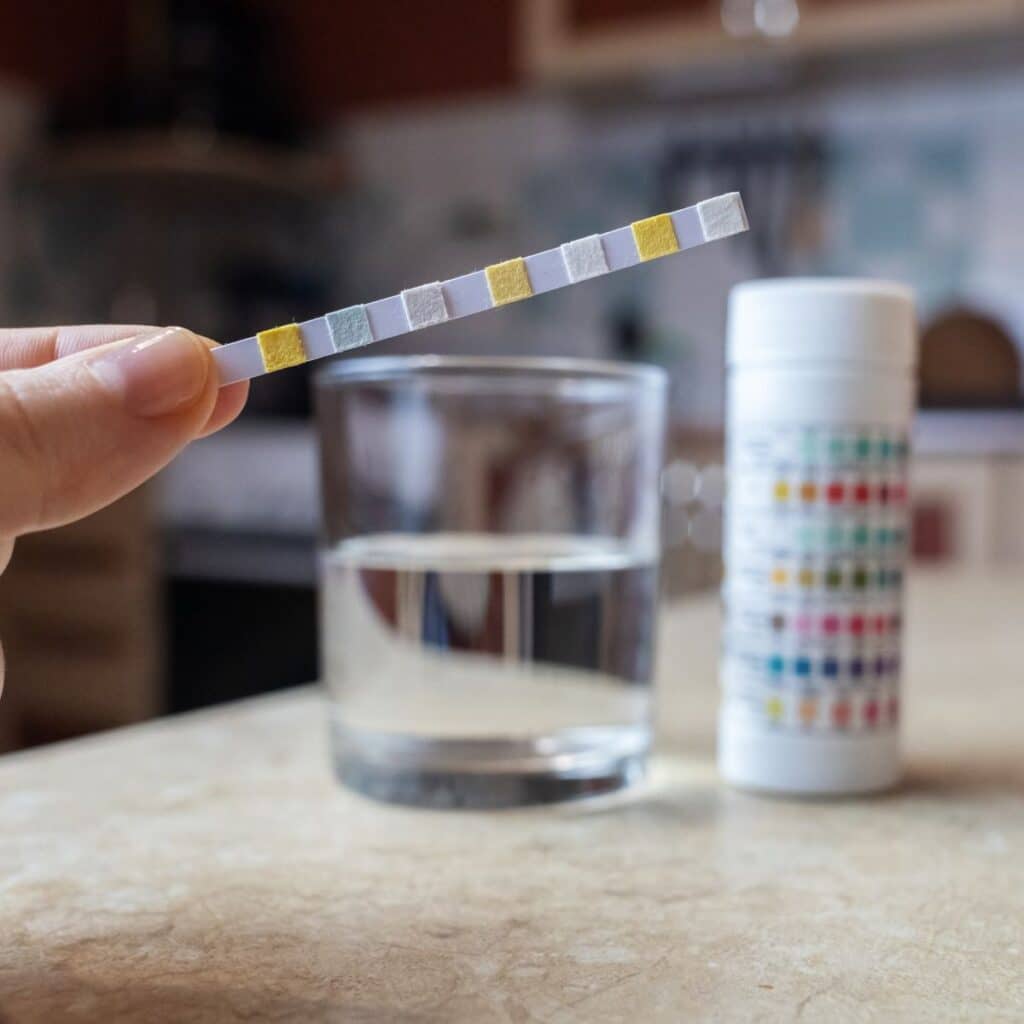
- Annual water quality testing
- Professional well inspections
- Pump and pressure tank performance checks
- Evaluating well cap and casing integrity
According to the National Ground Water Association (NGWA), well owners should work with qualified water well professionals whenever possible to disinfect their systems. The process involves multiple steps and precise chemical concentrations. When done improperly, it may be ineffective or cause system damage. In some states, licensed professionals are required to conduct well disinfection procedures.
At GeoWater Services, we emphasize proactive inspections and regular testing as the foundation of a dependable water system. Chlorine disinfection is a powerful corrective tool — but it is not a substitute for ongoing maintenance.
FAQs
What does this disinfection process do for a water well?
It eliminates bacteria and microorganisms within the well system after contamination or servicing.
How often should it be performed?
It is not part of routine maintenance and should only be done when contamination is confirmed or the system has been opened.
Is it safe for all wells?
Yes, when performed by trained professionals using appropriate concentrations. Improper dosing can lead to corrosion or damage.
Should water be tested afterward?
Yes. Follow-up testing confirms bacteria have been eliminated and verifies that water quality has returned to safe levels.
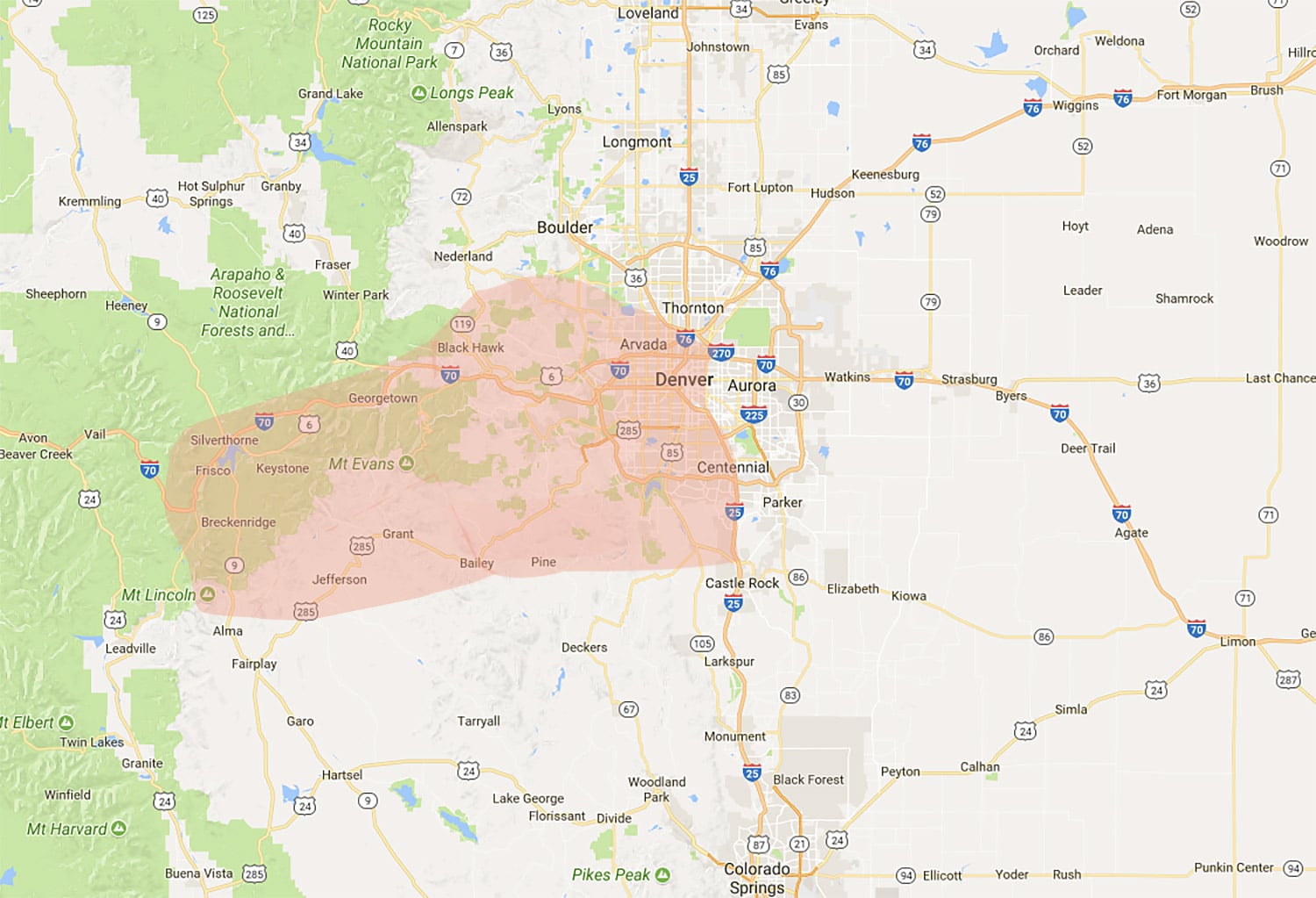
Contact us today to learn more about water well maintenance. We proudly serve the Colorado Mountain Communities, Denver Metro Area, and Colorado Front Range (Service Areas).