Can I Share a Well with a Neighbor?


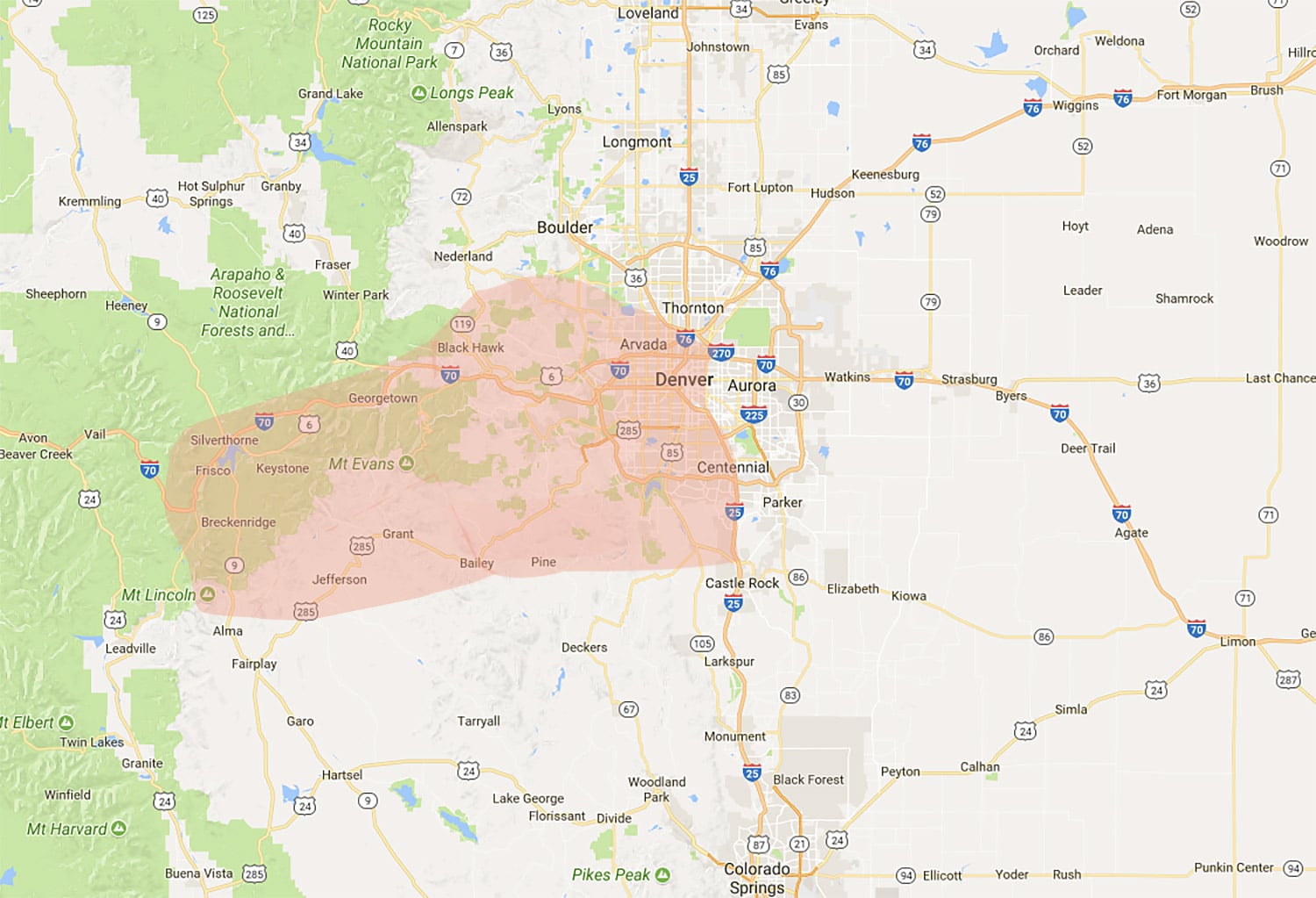
Shared water wells are common throughout Colorado Mountain Communities, the Denver Metro Area, and across the Front Range. In rural areas especially, two or more families may rely on a single well as a practical, cost-effective solution.
If you’re considering a shared water well in Colorado, there are a few key factors to address before moving forward.
What Is a Shared Water Well?
A shared water well is a single groundwater well used by two or more property owners. This setup is often considered when one property isn’t suitable for drilling but a neighboring property is.
While sharing a well can reduce upfront drilling costs, it also means sharing:
- Maintenance responsibilities
- Water quality monitoring
- Repair and replacement costs
- Long-term groundwater protection
Water isn’t the only thing being shared — accountability is too.
Because of this, a formal shared well agreement is strongly recommended.
Why You Need a Shared Well Agreement
A shared well agreement protects everyone involved and helps prevent future disputes. It should be drafted by an attorney familiar with Colorado water and real estate law.
Most agreements address:
- Ownership structure
- Construction costs
- Ongoing maintenance and repair expenses
- Water line easements
- Usage limits
- Restrictions near the wellhead
Without a clear agreement, disagreements over costs or access can escalate quickly.
Can the Well Handle Multiple Homes?
Before establishing a shared system, it’s important to confirm the well can support combined water demand.
This typically involves:
- Well yield testing
- Proper pump sizing
- Storage and pressure system evaluation
GeoWater Services performs production testing and system evaluations to ensure your shared well is built for long-term reliability.
Ongoing Maintenance Matters
A shared well requires coordination between neighbors. Routine inspections, water testing, and clear cost-sharing procedures help protect both the water supply and the relationship.
GeoWater Services provides design, testing, maintenance, and consulting services to keep shared water wells operating smoothly throughout Colorado.
Conclusion
Yes, you can share a well with a neighbor in Colorado — and in many cases, it makes sense. However, success depends on proper planning, a strong shared well agreement, and professional system design.
With experienced guidance from GeoWater Services, your shared water well can provide dependable water access while protecting your investment and peace of mind.
Frequently Asked Questions
What is a shared water well?
A shared water well is a single groundwater well used by two or more property owners. The arrangement is typically governed by a formal shared well agreement that outlines ownership, maintenance responsibilities, water usage rights, and cost-sharing terms.
Is it legal to share a well in Colorado?
Yes, shared water wells are permitted in Colorado. However, they must comply with state and local regulations. In some cases, depending on the number of users served, additional federal requirements may apply.
Do I need a shared well agreement?
Yes. A legally drafted shared well agreement is strongly recommended to protect all parties involved. It should clearly define ownership, construction costs, maintenance responsibilities, easements, usage limitations, and repair cost allocation.
Who pays for repairs on a shared well?
Repair and maintenance costs are typically divided among all participants according to the terms established in the shared well agreement. Clear documentation helps prevent misunderstandings or disputes.
How do I know if my shared well qualifies as a public water system?
A shared well may be classified as a public water system if it serves at least 15 service connections or an average of 25 people for 60 days per year. If it meets this threshold, additional federal regulations may apply.
Contact us today to learn more about shared water wells. We proudly serve the Colorado Mountain Communities, Denver Metro Area, and Colorado Front Range (Service Areas).