Where On My Property Should a Well be Placed?

Choosing the right location for a water well is critical to protecting water quality, ensuring reliable production, and meeting Colorado regulations. Proper water well placement depends on site conditions, safety requirements, and long-term planning.
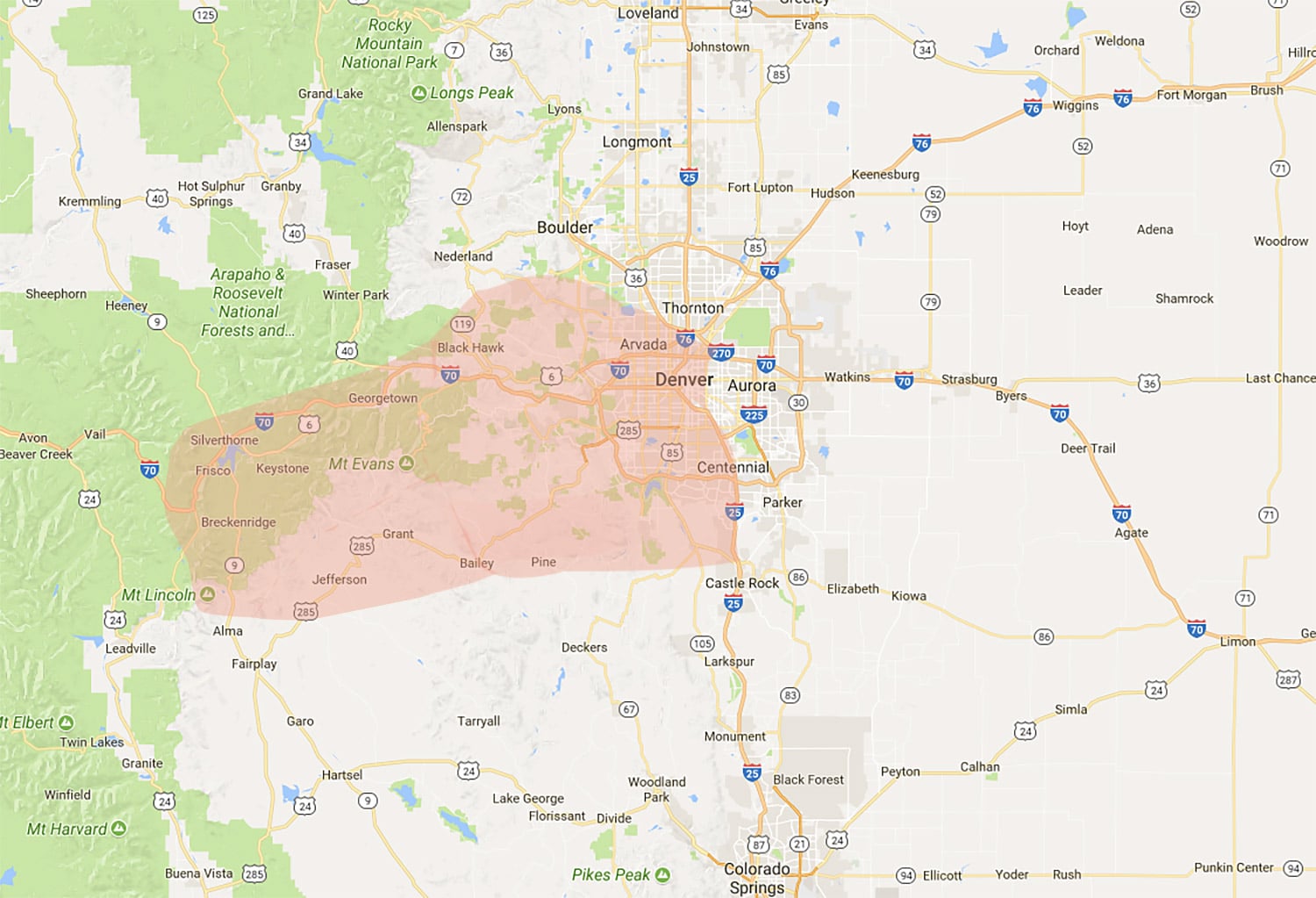
Here are five key factors that determine the best well location on your property — whether you’re in the Colorado Mountain Communities, Denver Metro Area, or along the Front Range.
1. Topography and Drainage
Wells are typically best placed on higher ground to reduce the risk of standing water collecting around the wellhead. Low areas can allow runoff to pool near the casing, increasing contamination risk if seals are ever compromised.
Evaluating slope, drainage patterns, and seasonal runoff is especially important in Colorado’s mountainous terrain.
2. Required Separation from Septic Systems and Hazards
State and local codes require minimum setback distances between a well and potential contamination sources, including:
- Septic tanks and drain fields
- Livestock areas
- Fuel storage tanks
- Fertilizers and pesticides
- Roads and driveways
In most cases, wells must be at least 100 feet from septic systems. These setbacks protect groundwater from bacteria, nitrates, and chemical pollutants.
3. Geology and Aquifer Location
Groundwater is stored in underground formations called aquifers. Their depth and productivity vary across Colorado.
Professionals review nearby well logs, regional geological data, and site-specific hydrogeology to identify the most reliable drilling location. Strategic placement improves water yield and long-term system performance.
4. Access for Drilling and Maintenance
A well must remain accessible for drilling equipment and future service. Contractors consider equipment clearance, safe vehicle access, and space for pressure tanks and system components.
Poor placement can increase maintenance difficulty and long-term service costs.
5. Future Property Plans
Well location should account for future development, including garages, driveways, landscaping, or livestock areas. Careful planning now prevents costly relocation later.
What About Water Dowsing?
Some property owners ask about water dowsing (or “water witching”). However, testing has shown it performs no better than chance. The National Ground Water Association does not recommend relying on this method.
Modern well placement is based on geology, drainage evaluation, regulatory compliance, and professional site assessment.
Professional Well Placement in Colorado
The exact location of a well should be determined by a qualified professional who evaluates elevation, setbacks, aquifer data, access, and permitting requirements together.
Our team has conducted thorough site evaluations to ensure safe, productive, and code-compliant well placement built for long-term reliability since 1997.
FAQs About Water Well Placement
How far should a well be from a septic system in Colorado?
Typically at least 100 feet, though requirements may vary by site.
Is higher ground better for well placement?
Yes. Elevation reduces the risk of surface water accumulation around the wellhead.
Do I need a permit to drill a well in Colorado?
Yes. Permits are required before drilling and depend on intended use and location.
Contact us today to learn more about water well placement. We proudly serve the Colorado Mountain Communities, Denver Metro Area, and Colorado Front Range (Service Areas).