Why is it Important to Test Annually for Bacteria and Nitrate?

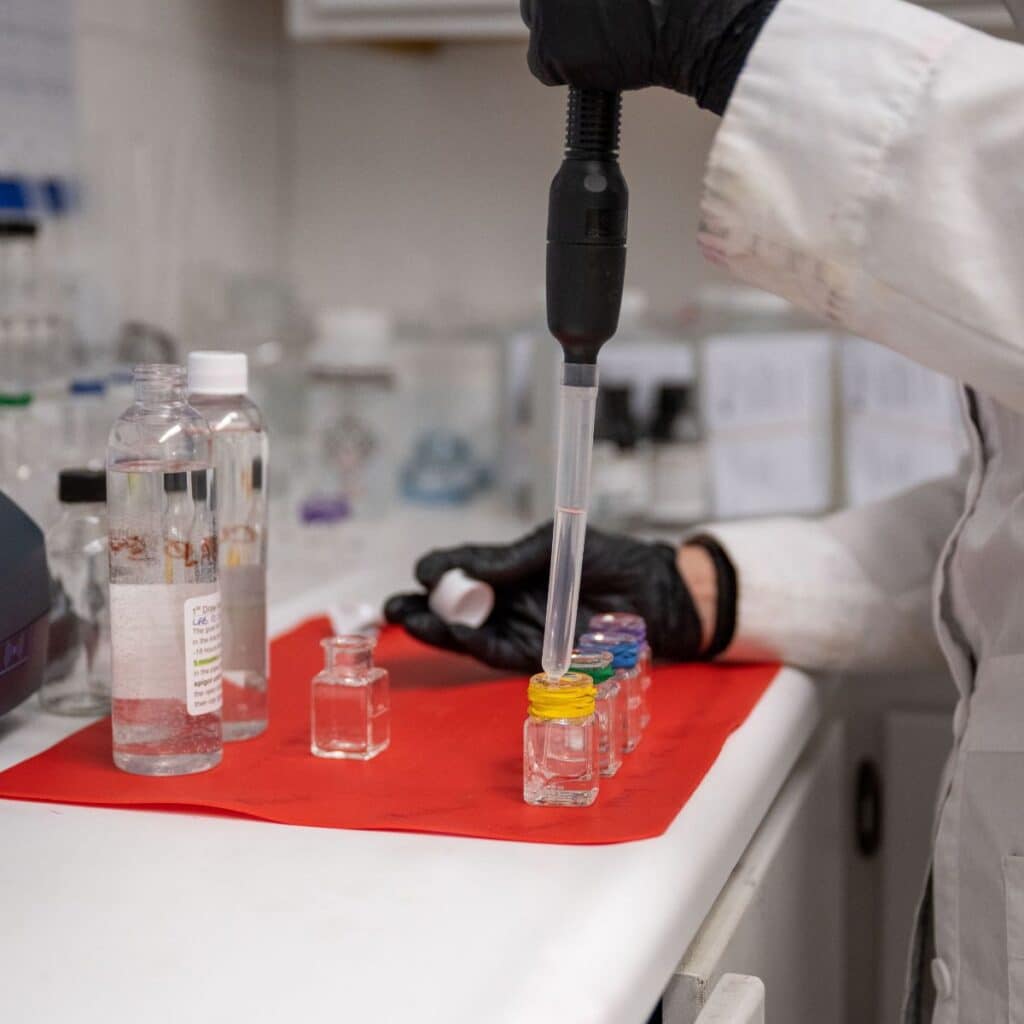
If you rely on a private well, annual testing for bacteria and nitrates isn’t optional—it’s essential. In Colorado’s Mountain Communities, Denver Metro Area, and across the Front Range, changing weather patterns, soil conditions, and nearby land use can all impact groundwater quality.
Routine well water testing helps ensure your drinking water remains safe, clean, and compliant with EPA guidelines.
Protect Your Health with Annual Well Water Testing
Bacteria are naturally present throughout the environment. A properly constructed and sealed well is designed to keep harmful organisms out—but if a well cap is damaged, the casing is compromised, or groundwater becomes overloaded with contaminants, bacteria can enter the system.
Sources of contamination may include:
- Septic system failures
- Agricultural runoff
- Animal enclosures
- Flooding or heavy snowmelt
- Surface water intrusion
Most testing begins with total coliform bacteria, which are not always harmful themselves. However, a positive coliform result indicates that conditions exist within the well that could allow pathogenic bacteria to survive. Certain strains, such as E. coli, may signal sewage contamination and can cause moderate to severe gastrointestinal illness. Young children, elderly individuals, and immunocompromised adults are particularly vulnerable.
Testing annually allows issues to be identified early—before they become serious health risks.
Why Nitrate Testing Matters
Nitrate contamination is especially common in rural areas where homes rely on private wells. Nitrates are widely used in fertilizers and are also a byproduct of animal and human waste. They can enter groundwater through agricultural runoff, septic systems, or naturally occurring soil conditions.
High nitrate levels pose the greatest risk to infants under six months old. Nitrates can interfere with the blood’s ability to carry oxygen, leading to a condition called methemoglobinemia, commonly known as “blue baby syndrome.” For this reason, the Environmental Protection Agency (EPA) has established a maximum contaminant level of 10 milligrams per liter (mg/L) for drinking water.
Because nitrate levels can fluctuate seasonally, annual testing is strongly recommended.
Why Annual Testing Is Especially Important in Colorado
Colorado’s climate and terrain create unique groundwater conditions. Snowmelt, heavy rainfall, and shifting groundwater tables can introduce contaminants into well systems. Properties near agricultural land or aging septic infrastructure may face increased risk.
Both the Centers for Disease Control and Prevention (CDC) and the EPA recommend testing private wells for bacteria and nitrates at least once per year. Annual testing provides:
- Early detection of contamination
- Documentation of water quality over time
- Peace of mind for homeowners and businesses
- Protection for infants and vulnerable family members
Consistent testing is one of the simplest and most effective steps well owners can take to protect their water supply.
What If Your Well Tests Positive?
If bacteria or elevated nitrates are detected, prompt action is critical. Depending on the source and severity, solutions may include:
- Shock chlorination
- UV disinfection systems
- Reverse osmosis or specialized nitrate filtration
- Well cap or casing repairs
- Source investigation and long-term prevention strategies
Addressing contamination quickly helps prevent ongoing health risks and protects the integrity of your well system.
If it has been more than a year since your last bacteria and nitrate test, now is the time to schedule one.
Frequently Asked Questions
What are total coliform bacteria?
Total coliform bacteria are commonly found in the environment and are not always harmful. However, their presence indicates that conditions may allow pathogenic bacteria, such as E. coli, to enter the well.
How often should private wells in Colorado be tested?
The CDC and EPA recommend testing for bacteria and nitrates at least once per year.
What is the safe nitrate level in drinking water?
The EPA’s maximum contaminant level for nitrate is 10 mg/L.
Can contamination happen suddenly?
Yes. Flooding, heavy snowmelt, septic failures, or nearby land use changes can quickly introduce bacteria or nitrates into groundwater.
Should I test more often if I have an infant at home?
Yes. Households with infants may consider more frequent nitrate testing due to the higher health risks.
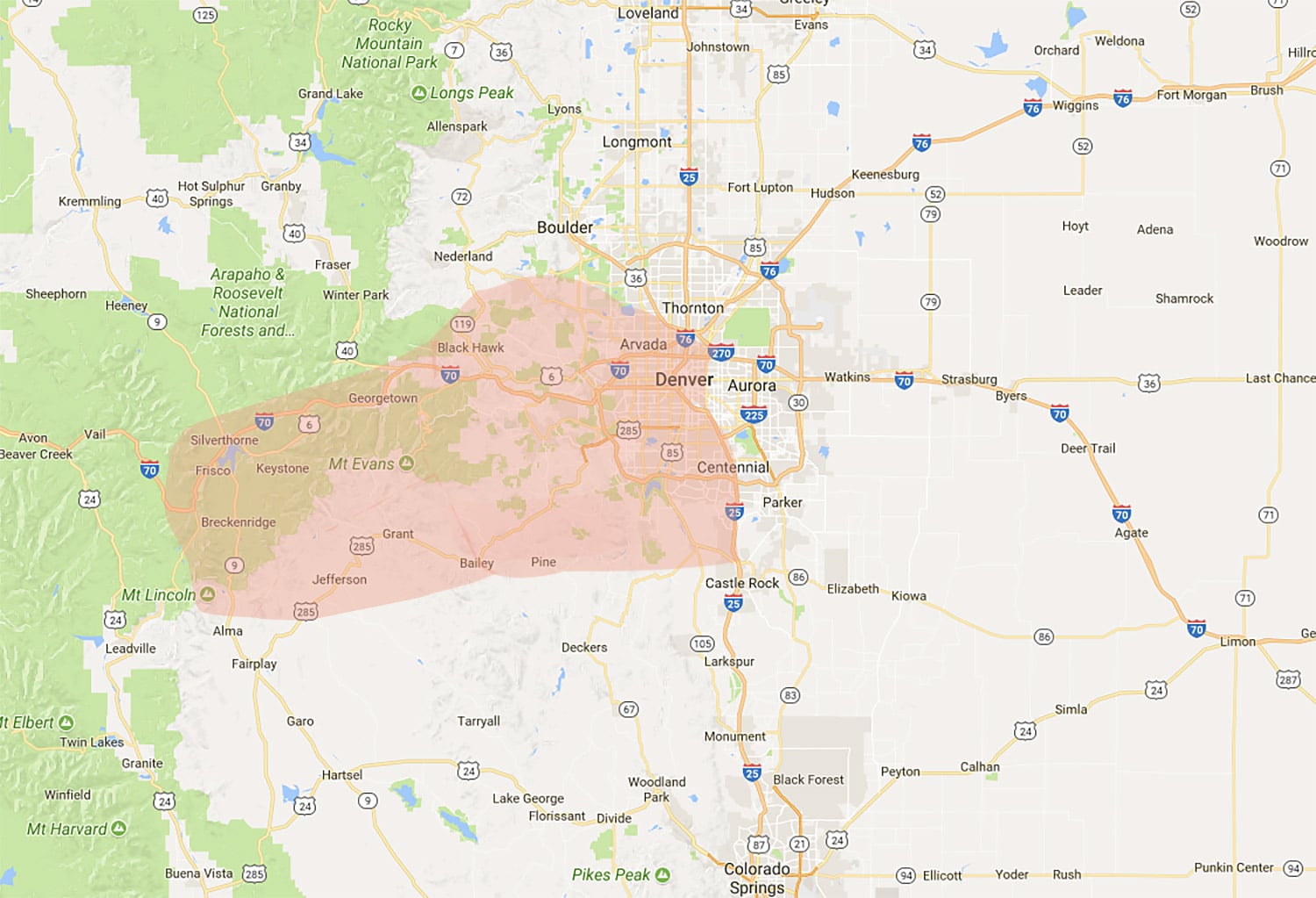
Contact GeoWater Services today to arrange professional well water testing and ensure your water remains safe year-round. We proudly serve the Colorado Mountain Communities, Denver Metro Area, and Colorado Front Range (Service Areas).